Category Archives for "Laundry"

What Happens If You Wash Dry Clean Only Pants? The Risks And Consequences Explained

What Happens If You Wash Dry Clean Only Pants? The Risks And Consequences Explained

Dry Cleaning , Laundry

Ever wondered what happens if you wash those dry clean only pants in your regular laundry? You’re not alone. This common conundrum can be quite perplexing, especially when dealing with delicate fabrics that could potentially get ruined.

In this article, we’ll dive into the risks and consequences of washing ‘dry clean only’ garments at home, explaining why manufacturers recommend certain cleaning methods for various textiles.

Are you ready to take a deep dive into fabric care? Let’s unravel this thread!

Key Takeaways

  • Washing dry clean only pants at home can result in shrinking, color bleeding, damage to fabric or embellishments, and loss of shape or structure.
  • Delicate fabrics require special care and following the care instructions is crucial to avoid irreversible damage.
  • To safely clean dry clean only pants, you can spot test for colorfastness, use a gentle washing machine cycle or hand wash with mild detergent, and properly air dry them.
  • Professional dry cleaning, steam cleaning, and at – home dry cleaning kits are alternative options for maintaining the quality of dry clean only items.

What Does “Dry Clean Only” Mean?

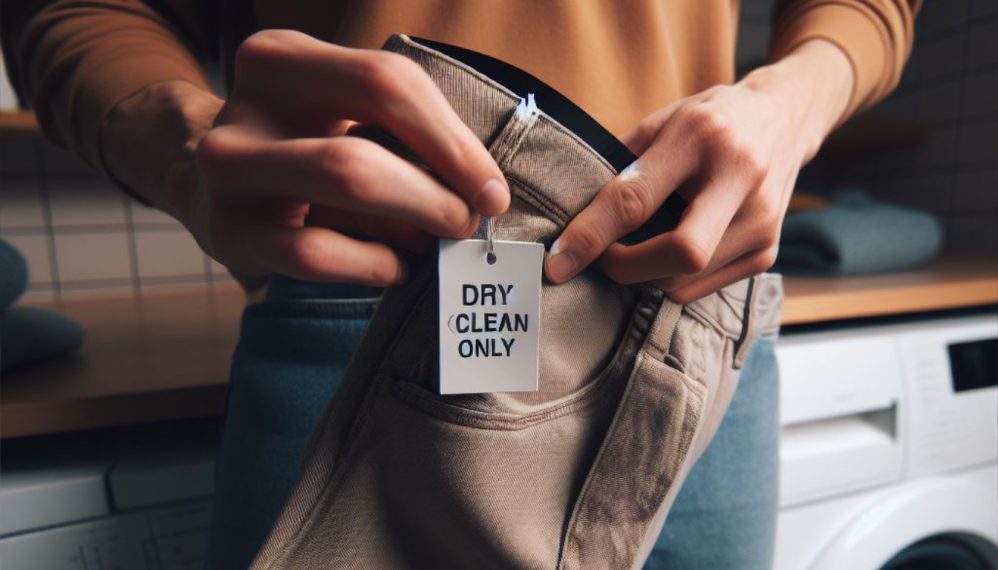
“Dry clean only” refers to clothing items that are not suitable for traditional washing methods and require professional dry cleaning to avoid potential damage.

Understanding Fabric Composition

Fabrics come in a wide range of compositions, each with their own unique traits and care requirements. For instance, silk is soft and delicate, while polyester boasts durability. Clothes made from wools like cashmere will shrink if not handled properly during cleaning.

Even blending fabrics can alter how you need to care for an item. Denim may be tough on its own, but when it’s blended with spandex for stretch, the garment’s maintenance changes drastically.

This complexity in fabric composition explains why some clothes are strictly labeled as “Dry Clean Only.” Knowing what your clothes are made from helps tailor your approach to washing methods, preventing potential damage and extending the life of your garments.

Identifying Delicate Fabrics

Delicate fabrics demand special care to maintain their quality and appearance. Fabric labels provide crucial information about the material composition, which can reveal whether a garment is delicate or not. For instance, silk, wool, rayon, and some types of polyester are known for their fragility and often carry “dry-clean only” instructions.

Understanding fabric care instructions helps in extending the lifespan of clothes. These guidelines come directly from manufacturers who have tested the best cleaning methods for each type of material. 

Ignoring these details could result in irreversible damage, such as shrinking or color bleeding.

Risks and Consequences of Washing Dry Clean Only Clothes
Risks and Consequences of Washing Dry Clean Only Clothes

Washing dry-clean-only clothes can lead to shrinking, color bleeding, damage to the fabric or embellishments, and loss of shape or structure.

Shrinking

Shrinking is often the first red flag signaling that a garment has been improperly washed. Exposure to high temperatures and excessive spin speeds in machine washers can cause dry-clean-only clothes, especially delicate fabrics like wool, to contract significantly. 

This process of fiber tightening, also known as felting, permanently alters the size and fit of your prized pants or any woolen garments. Washing instructions on these items are there for a reason; they warn against potential shrinkage when these garments undergo improper cleaning processes such as machine washing or drying. 

Disregarding them not only poses risks to the longevity of your attire but could result in an unwelcome wardrobe malfunction due to dramatic size reduction.

Color Bleeding

Color bleeding is a common risk when washing dry-clean-only clothes. It happens when the dye in the fabric is released during washing, potentially staining other garments. Hot water can open up clothing fibers and cause color bleeding, while cold water keeps fibers closed to prevent dye from bleeding out. 

Substandard dyeing techniques used by clothing manufacturers can also contribute to color bleeding. Red garments are particularly prone to this issue because of the type of dye often used in their production.

Damage to Fabric or Embellishments

Machine washing dry-clean-only clothes can result in significant damage to the fabric or embellishments. The water temperature and agitation during the washing process can cause delicate fibers to break down and fade, while also making colors bleed. The harsh chemicals used in traditional dry cleaning are specifically designed to prevent such damage, but when garments are washed at home, they may suffer from irreparable harm. 

Delicate fabrics and intricate embellishments require special care, and machine washing can alter their shape or structure, leading to a loss of aesthetic appeal. It is crucial to follow the care instructions for “dry-clean only” items to avoid these risks and consequences.

Loss of Shape or Structure

Washing clothes labeled as “dry-clean only” can lead to the loss of shape or structure of the garments. Certain delicate fabrics are more susceptible to damage when run through machine washers and dryers. When these fabrics come into contact with water, they may shrink dramatically, causing the clothing to lose its original shape and fit. 

It is important to follow the care instructions on the clothing labels and take proper care to maintain the shape and structure of dry-clean-only clothes. Using regular detergent can have disastrous results, as it is not designed to effectively clean delicate fabrics like those in “dry-clean only” clothes. Proper care can help prevent unwanted changes in shape or structure during washing.

How to Safely Clean Dry Clean Only Pants
How to Safely Clean Dry Clean Only Pants

To safely clean dry clean only pants, you can spot test for colorfastness, use a gentle washing machine cycle or hand wash with mild detergent, and properly air dry them. Find out more about these methods to keep your pants in the best condition possible!

Spot test for colorfastness

Performing a spot test for colorfastness is crucial before cleaning dry clean only pants. This simple test helps determine if the fabric’s dye will bleed or fade when exposed to water or detergent. It involves applying a small amount of mild laundry detergent on an inconspicuous area of the garment and blotting it with a white cloth. If no color transfers onto the cloth, it indicates that the pants are safe to be washed. However, if any color bleeds onto the cloth, it is best to avoid washing the pants at home and opt for professional dry cleaning instead.

Use a gentle washing machine cycle

To safely clean dry clean only pants in a washing machine, follow these steps:

  • Select the delicate cycle on your washing machine.
  • Set the machine to use cold water for washing.
  • Use a mild detergent specifically designed for delicate fabrics.
  • Place the pants in a mesh laundry bag to protect them during the wash cycle.
  • Avoid overcrowding the machine to ensure proper cleaning and prevent damage to the pants.
  • Start the washing machine and let it complete the gentle cycle.

Hand washing with mild detergent

Hand washing with mild detergent helps to safely clean dry clean only pants and maintain their shape and texture. To hand wash, follow these guidelines:

  1. Fill a sink or basin with lukewarm water.
  2. Add a small amount of mild detergent specifically designed for delicate fabrics.
  3. Swirl the detergent in the water to create suds.
  4. Submerge the pants in the soapy water and gently agitate them.
  5. Use your hands to spot clean any stains or dirty areas.
  6. Rinse the pants thoroughly with cool water until all soap residue is gone.
  7. Gently squeeze out excess water without wringing or twisting the fabric.
  8. Lay a clean towel flat on a surface and place the pants on top of it.
  9. Roll up the towel with the pants inside to absorb more moisture.
  10. Unroll the towel and reshape the pants if necessary.
  11. Hang the pants to air dry completely before wearing or storing.

Properly air drying

Properly air drying dry clean only pants is essential for maintaining their quality and appearance. Here are some steps to follow:

  1. Lay the pants flat: Lay your dry clean only pants flat on a clean surface, such as a towel or drying rack. This helps prevent stretching or distortion that can occur when hanging them.
  2. Avoid direct sunlight: Place the pants in a shaded area to air dry. Direct sunlight can cause fading or discoloration of the fabric.
  3. Use proper ventilation: Ensure that the area where you’re air drying the pants has good air circulation. This helps speed up the drying process and prevents moisture buildup.
  4. Patience is key: Allow enough time for the pants to fully dry before wearing or storing them. Rushing the drying process may lead to damage or odor.

Alternatives to Home Washing for Dry Clean Only Items

Using a Professional dry cleaning service is a reliable alternative for maintaining the quality of dry clean only items, while steam cleaning and at-home dry cleaning kits are also options worth considering.

Professional dry cleaning

Professional dry cleaning is the recommended method for cleaning “dry clean only” items to prevent any potential damage. Unlike home washing, professional dry cleaning uses liquid solvents that effectively clean delicate fabrics without causing shrinkage, color bleeding, or damage to the fabric or embellishments.

Professional cleaners have special care instructions and techniques to ensure that your clothes are thoroughly cleaned and well-maintained. By opting for professional dry cleaning, you can preserve the shape, structure, and quality of your garments while enjoying a hassle-free cleaning process.

Steam cleaning

Steam cleaning is a recommended alternative to dry cleaning for clothing labeled as “dry clean only.” It offers an effective way to sanitize fabrics and remove wrinkles without causing damage.

By using high-temperature steam, this method can also eliminate bacteria and viruses from contaminated linens. With steam cleaning, you can keep your clothes clean and fresh while avoiding the risks associated with washing dry clean only items.

At-home dry cleaning kits

At-home dry cleaning kits provide a convenient and cost-effective alternative for cleaning clothes labeled as “dry clean only.” These kits are designed to remove most water-based stains from fabrics without the need for professional dry cleaning.

By following the manufacturer’s instructions, you can safely and effectively refresh your clothes at home. The result is soft, unwrinkled garments that look and feel clean. So if you’re looking for a non-water washing option or a substitute for professional dry cleaning, at-home dry cleaning kits are worth considering.

Conclusion

Washing ‘dry clean only’ pants at home can lead to various risks and consequences, including shrinking, color bleeding, damage to fabric or embellishments, and loss of shape or structure. Understanding fabric composition and fabric care instructions is essential to maintaining the quality of delicate garments. 

To safely clean such items, you can spot test for colorfastness, use a gentle washing machine cycle or hand wash with mild detergent, and properly air dry them. Alternatively, professional dry cleaning, steam cleaning, and at-home dry cleaning kits offer reliable alternatives to preserve the integrity of ‘dry clean only’ items. Remember, proper care ensures the longevity and appearance of your cherished clothing.

FAQs

1. Can I wash dry clean only pants at home?

No, it is not recommended to wash dry clean only pants at home as they require professional cleaning methods to prevent damage.

2. What happens if you ignore the “dry clean only” label and wash the pants?

Ignoring the “dry clean only” label and washing the pants can result in shrinking, color fading, fabric distortion, or even complete ruin of the garment.

3. How can I safely remove stains from dry clean only pants without washing them?

To safely remove stains from dry clean only pants without washing them, use a stain remover specifically designed for delicate fabrics and follow the instructions carefully.

4. Are there any alternatives to dry cleaning for maintaining my pants?

Yes, some alternative methods for maintaining your dry clean only pants include spot cleaning with a mild detergent or using a fabric freshener spray to eliminate odors between wears.

5. Should I attempt to hand wash my dry clean only pants if I don’t have access to professional cleaning services?

It is still not recommended to hand wash dry clean only pants if you don’t have access to professional cleaning services as it increases the risk of damage. It’s best to consult with a reputable cleaner for appropriate care options.
Dry Clean Vs Machine Wash: Understanding The Key Differences

Dry Clean Vs Machine Wash: Understanding The Key Differences

Dry Cleaning , Fabricare Center Blog , Laundry

Choosing between dry cleaning and machine washing can be a conundrum with our precious garments at stake. Did you know that incorrect washing methods can seriously damage certain types of fabrics? This blog post breaks down the fundamental differences between the two cleaning techniques, helping you make an educated decision based on fabric type, stain, and durability considerations.

Hang tight because we’re diving deep into the world of laundry; your clothes will thank you!

Key Takeaways

  • Dry cleaning uses chemical solvents to treat grease and oil stains without causing shrinkage or fading, while machine washing typically involves water and detergent.
  • In the dry cleaning process, clothes are tumbled in an industrial machine to evaporate the solvents and prevent wrinkles. Machine washing involves spinning clothes at high speeds to extract excess water before air-drying or heat drying.
  • Machine washing is suitable for common stains like dirt or food spills, while dry cleaning is more effective for tough stains like ink or lipstick from delicate fabrics.
  • Washing at home is convenient and cost – effective, but may not be suitable for delicate fabrics or tough stains. Dry cleaning offers gentle treatment and effective stain removal but can be expensive and potentially harmful due to toxic solvents.

The Main Differences Between Washing and Dry Cleaning

The provided text discusses the main differences between washing and dry cleaning, focusing on four key aspects: solvents used, drying method, the overall process, and stain removal techniques. Let’s go through each point to ensure accuracy and clarity:

Solvents Used

  • Dry cleaning primarily uses chemical solvents, with perchloroethylene being a common one, which is effective for grease and oil stain removal without causing fabric shrinkage or fading.
  • Washing employs water and detergent to clean, with water being less efficient at removing oil-based stains.

Drying Method

  • In dry cleaning, a process called “tumbling” is used, where clothes are rotated to allow solvents to evaporate, aiding in wrinkle prevention.
  • Machine washing involves a water-based cleaning cycle followed by spinning at high speeds to extract water, with different fabrics possibly requiring various heat levels during air-drying or heat drying.

Process

  • Dry cleaning is a water-free process that saturates clothes with perchloroethylene, followed by tumbling and solvent removal.
  • Machine washing uses detergents and water, with a focus on stain removal through agitation and controlled heat settings according to fabric type.

Stain Removal

  • Machine washing is suitable for common stains like dirt or food spills due to the agitation and water in the washing machine.
  • Dry cleaning is more effective for tough stains like ink or lipstick due to the use of chemical solvents without water.

Pros and Cons of Washing vs Dry Cleaning

Pros and Cons of Washing vs Dry Cleaning

Washing clothes at home can be convenient and cost-effective, but it may not always be suitable for delicate fabrics or tough stains. On the other hand, while dry cleaning offers a gentle approach and effective stain removal, it can be expensive and potentially harmful due to toxic solvents.

To determine which method is best for your garments, consider factors like fabric type, stain severity, and durability. For more detailed information on the pros and cons of washing versus dry cleaning, visit our blog!

Benefits of Washing

Washing your clothes in a washing machine offers several benefits. Firstly, it effectively removes dirt, stains, and odors, leaving your garments clean and fresh. Additionally, machine washing is a convenient option, as you can simply toss your clothes into the washer and let the machine handle the cleaning process.

It also saves time compared to dry cleaning since you don’t have to wait for the items to be professionally laundered. Moreover, washing fabrics at home using water-based detergents is generally considered safe and less harmful than using toxic solvents in the dry cleaning process.

Overall, machine washing is an efficient and cost-effective way to keep your everyday clothing clean and well-maintained without any hassle or extra expense.

Drawbacks of Washing

Washing your clothes in a washing machine can have its drawbacks. One of the disadvantages is that certain fabrics, especially delicate ones like silk or wool, can get damaged in the process.

The agitation and tumbling action of the machine can cause shrinkage, stretching, or even tearing of these sensitive materials. Another drawback is that some stains may not come out completely with regular washing methods.

Tough stains like oil or ink may require more specialized treatments to be effectively removed. Additionally, excessive machine washing over time can also cause colors to fade and garments to lose their shape and texture.

Benefits of Dry Cleaning

Dry cleaning offers several benefits over traditional machine washing. Firstly, it is highly effective at removing stubborn stains that regular laundry methods may struggle with. The use of specialized solvents and chemical solutions in the dry cleaning process allows for thorough stain removal without damaging delicate fabrics or garments.

Additionally, dry cleaning eliminates the risk of shrinking or discoloring certain types of clothing, making it ideal for maintaining the quality and appearance of your favorite pieces.

By following the proper washing instructions and opting for dry cleaning when necessary, you can extend the lifespan of your garments and ensure they always look their best.

Drawbacks of Dry Cleaning

Before you send your favorite garments off to be dry cleaned, it’s important to consider the drawbacks of this cleaning method. Firstly, dry cleaning can be quite costly compared to machine washing.

The process itself requires special equipment and solvents, which are expensive to use. Additionally, some chemicals used in traditional dry cleaning methods can be harmful to both the environment and human health.

Lastly, certain delicate fabrics may not hold up well under the harsh treatment of dry cleaning chemicals and processes, leading to potential damage or discoloration.

Determining Which Method to Use

When deciding how to clean your garments, it’s crucial to take into account the fabric type, the nature of the stains, and the durability of the garment. These factors will guide you in choosing between washing and dry cleaning.

Fabric Considerations

Before making a choice between washing and dry cleaning, you must consider the type of fabric your garments are made from. Different fabrics come with distinct care requirements. Understanding these considerations will help you select the appropriate cleaning method.

Delicate fabrics, such as silk, wool, or lace, often require dry cleaning to prevent damage that might occur during machine washing. In contrast, sturdier fabrics like cotton or polyester can usually be machine-washed without any issues. By taking into account the fabric’s characteristics and specific care instructions, you can ensure that your clothes are cleaned effectively while preserving their quality and longevity.

Stain Type

The type of stain can significantly impact your choice of cleaning method. Some stains are better suited for either machine washing or dry cleaning. For instance, oil-based stains like grease or motor oil may be more effectively removed through dry cleaning due to the use of chemical solvents. On the other hand, water-based stains, such as coffee or juice, may respond better to traditional machine washing with detergent and water. Understanding the nature of the stain can help you decide whether it’s best to wash or dry clean your garments for optimal stain removal results.

Durability

Machine washing can be tough on certain fabrics, reducing their durability over time. The agitation and tumbling in the washing machine can cause wear and tear, especially on delicate materials. In contrast, dry cleaning is a gentler option that helps maintain the longevity of your garments. By using chemical solvents instead of water, dry cleaning doesn’t subject fabrics to harsh mechanical action. This makes it particularly suitable for delicate or heavily embellished items that may not withstand the rigors of machine washing. When considering durability, it’s essential to choose the right cleaning method for your specific fabrics and garments to ensure they last longer.

Conclusion

The choice between washing and dry cleaning is a crucial decision that directly impacts the longevity and appearance of your clothing. Understanding the key differences between these cleaning methods is essential for making informed choices. Machine washing is a convenient, cost-effective, and generally safe option for everyday fabrics, efficiently removing dirt, stains, and odors. However, it may not be suitable for delicate materials or tough stains, and excessive machine washing can lead to fabric damage over time.

On the other hand, dry cleaning excels in stain removal and is gentle on delicate fabrics, preventing shrinkage and discoloration. Still, it can be expensive and environmentally concerning, and it may not be necessary for every garment. To make the best choice, consider factors such as fabric type, stain nature, and garment durability. By doing so, you can ensure that your clothes are well-cared for and maintain their quality and appearance for years to come. So, whether you choose the convenience of machine washing or the effectiveness of dry cleaning, your clothing will thank you for the care you provide.

FAQs

1. What is the difference between dry cleaning and machine washing?

Dry cleaning uses a chemical solvent to clean clothes, while machine washing involves water, detergent, and agitation.

2. Can I dry clean all types of clothing?

While most garments can be safely dry cleaned, certain delicate fabrics or those with special care instructions may not be suitable for dry cleaning. Always check the garment’s label or consult a professional cleaner.

3. Is machine washing more effective than dry cleaning?

The effectiveness of either method depends on the type of fabric and the specific stains or dirt present on the garment. Some stains are better removed through dry cleaning, while others may require soaking and agitation in a washing machine.

4. Which method is more cost-effective: dry cleaning or machine washing?

Generally, machine washing tends to be less expensive than frequent trips to the dry cleaner. However, it is important to consider factors such as time, convenience, and potential damage to delicate garments when deciding which method is more cost-effective for you.

5. How do I determine whether a garment should be dry cleaned or machine washed?

Always refer to the care label on your garment for specific instructions from the manufacturer regarding proper cleaning methods. If there are no instructions available or if you are unsure about how to proceed, consult with a professional cleaner for guidance.

How Much Vinegar Should You Use In Your Washing Machine? A Complete Guide

How Much Vinegar Should You Use In Your Washing Machine? A Complete Guide

Fabricare Center Blog , Laundry

Are you frustrated with your washing machine not having that fresh, clean scent? You’re not alone; this is a common problem that many people encounter. Luckily, in this article, we’ll demonstrate how the simple addition of vinegar can make your cleaning routine easier and leave your washer sparkling clean. So, stay with us to discover the magic of vinegar and how it can transform your washing machine!

Key Takeaways

  • Vinegar is a natural cleaning agent that effectively removes odors and stains from your washing machine.
  • It is safe for both the environment and your machine, as it does not cause any harm or damage.
  • The recommended amount of vinegar to use in a top load machine depends on the load size, ranging from 1/2 to 4 cups.
  • For front load machines, dilute one cup of vinegar with water and use hot water setting for optimal cleaning.

The Benefits of Using Vinegar to Clean a Washing Machine

Vinegar serves as a natural cleaning agent that effectively eliminates odors and stains, making it safe for both the environment and your washing machine.

Vinegar as a natural cleaning agent

Vinegar stands as a powerful, eco-friendly cleaning agent that can revitalize your washing machine. It’s not just for salads and pickles; this humble household item has the potential to deep-clean and deodorize your laundry appliances without causing environmental harm.

Thanks to its natural acidic properties, vinegar excels in cutting through stubborn stains and unpleasant odors, leaving your washing machine fresher than ever before. Moreover, it ensures proper water circulation by preventing clogs in the system.

While regular use helps keep your appliances spotless, caution is essential to avoid damage to rubber parts or counteracting effects when mixed with other cleaning agents. So next time you plan for a thorough cleanup of your washer, consider trading harsh chemicals with the versatile power of vinegar!

Effectiveness in removing odors and stains

Vinegar proves to be a powerhouse when it comes to tackling odors and stains in laundry. This naturally sourced, chemical-free alternative works wonders on lingering smells and stubborn marks that refuse to budge.

Because of its acidic properties, vinegar breaks down the bonds holding the stain or odor molecules together, making them easier to wash away.

Your clothes can experience a deep cleanse without any harsh, synthetic chemicals playing part. Thanks to vinegar’s ability for whitening and brightening fabrics, your whites stay white and colors remain vibrant.

It targets mildew effectively which often contributes greatly towards unpleasant clothing odors sometimes left behind even after washing. With vinegar as part of your laundry routine, enjoy fresh-smelling and stain-free clothes every time you open your washing machine.

Safe for the environment and your machine

Vinegar stands as an eco-friendly solution to keep your washing machine sparkling clean. Unlike harsh chemical cleaners, vinegar is a nontoxic cleaning option that poses no harm to our environment.

The grime, dirt, and mold that accumulates in your machine find vinegar a formidable foe. Distilled white vinegar’s safety for use extends beyond just being environmentally friendly; it also ensures no harm comes to your washing machine during the cleaning process.

Diluted with water to about 5% acidity, this natural cleaner gently but effectively eliminates unwelcome buildup by breaking down residues without damaging delicate parts of your appliance or causing discoloration.

Using these safe and effective cleaning techniques promises not only a cleaner wash but also prolongs the lifetime of your equipment – all while keeping our planet in mind.

How Much Vinegar to Use in Top Load Washing Machines

To use vinegar in a top load washing machine, start by selecting the desired load size.

Step-by-step guide for using vinegar in a top load machine

Here’s a step-by-step guide on how to use vinegar in a top load washing machine:

  1. Measure the vinegar: Depending on the size of your load, pour 1/2 to 1 cup of white vinegar into a measuring cup.
  2. Add the vinegar: Open the lid of your top load machine and locate the detergent dispenser or fabric softener dispenser. Pour the measured vinegar directly into this dispenser.
  3. Start the cycle: Close the lid of your washing machine and select a regular or normal cycle with hot water.
  4. Run the cycle: Let your washing machine complete its cycle, allowing the vinegar to work its magic.
  5. Wipe down: Once the cycle is finished, open the lid and use a clean cloth or sponge to wipe down any remaining residue or grime in the drum and around the edges.
  6. Rinse (optional): If you want to ensure there’s no lingering smell of vinegar, you can run an extra rinse cycle with plain water after using vinegar.

Recommended measurements for different top load machine load sizes

When using vinegar to clean a top load washing machine, the standard measurement is four cups of vinegar. It’s always advised to use a measuring cup for accuracy. However, the volume might vary slightly depending on the size of the machine. Below is a simple guide to help you determine the right quantity of vinegar to use for different load sizes.

Machine Load SizeRecommended Vinegar Quantity
Small (up to 3.5 cubic feet)2-3 cups of vinegar
Medium (3.6 to 5.1 cubic feet)3-4 cups of vinegar
Large (5.2 to 6.2 cubic feet)4-5 cups of vinegar
Extra Large (6.3 cubic feet and above)5-6 cups of vinegar

Using these guidelines, you can determine the right amount of vinegar to use for your top load machine size. Remember, using vinegar in the right quantity ensures effective cleaning and longevity of your machine.

How Much Vinegar to Use in Front Load Washing Machines

To determine the appropriate amount of vinegar to use in a front load washing machine, follow a step-by-step guide and recommended measurements based on different load sizes.

Step-by-step guide for using vinegar in a front load machine

Using vinegar in a front load machine is an effective way to clean and maintain it. Here’s a step-by-step guide on how to do it:

  1. Measure one cup of distilled white vinegar.
  2. Pour the vinegar into the detergent dispenser or directly into the drum.
  3. Close the door and select the hottest water setting.
  4. Start a regular wash cycle without any laundry.
  5. Let the machine fill with water and agitate for a few minutes to distribute the vinegar.
  6. Pause the cycle and let the vinegar soak inside the machine for about an hour.
  7. After an hour, resume the cycle and let it complete as usual.
  8. Once finished, wipe down the inside of the machine, including seals and gaskets, with a damp cloth.
  9. Leave the door open for a while after cleaning to allow air circulation.

Recommended measurements for different front load machine load sizes

The recommended vinegar measurements may vary depending on the size of front load washing machine you have. Keep in mind that you should dilute the vinegar with water in a ratio of 1 part vinegar to 2 parts water to effectively clean your machine without risking any damage to your clothes or the machine itself.

Machine SizeVinegar AmountWater AmountCycle Setting
Small1/2 Cup1 CupHot, Largest Load
Medium1 Cup2 CupsHot, Largest Load
Large2 Cups4 CupsHot, Largest Load

Remember, for the most effective cleaning, always add the vinegar to an empty washer and run it on the largest load size and the hottest water setting.

Frequently Asked Questions About Using Vinegar in Washing Machines

Can vinegar damage the washing machine?

Can vinegar damage the machine?

Using vinegar undiluted in your washing machine can potentially cause damage to the appliance. The acidity of vinegar can lead to corrosion and harm the rubber parts of the machine, which may result in leaks.

It’s important to avoid overdoing the use of vinegar as it can have a negative impact on your washer. While vinegar can be used to clean clothes effectively, excessive use should be avoided to prevent any potential damage to your washing machine.

Can vinegar be used with laundry detergent?

Vinegar can definitely be used with laundry detergent as a powerful cleaning combination. By adding vinegar to your laundry, you can remove tough stains, eliminate odors, and even soften your clothes.

It’s a safe and effective way to boost the cleaning power of your detergent while also being eco-friendly. So go ahead and add some vinegar to your next load of laundry for cleaner, fresher-smelling clothes.

Do you need to rinse after using vinegar?

After using vinegar in your washing machine, it is not necessary to do an additional rinse. Vinegar is a natural cleaning agent that helps remove odors and stains from your clothes and the machine itself.

It is safe for both your clothes and the environment. Simply follow the recommended measurements and add it to your laundry during the appropriate cycle. By using vinegar in moderation, you can prevent any potential damage to your clothes or washing machine while enjoying its benefits as a cleaning agent.

Tips for maximizing the effectiveness of vinegar cleaning

To make the most of vinegar’s cleaning power, consider these tips:

  1. Use white vinegar: White vinegar is the most effective type of vinegar for cleaning purposes. Stick to this variety for the best results.
  2. Mix it with water: Diluting vinegar with water can help prevent any potential damage to your clothes or washing machine. A common ratio is one part vinegar to four parts water.
  3. Pre-treat stains: Before adding your clothes to the washing machine, pre-treat any stubborn stains with a mixture of vinegar and water. Let it sit for a few minutes before starting the wash cycle.
  4. Add it during the rinse cycle: Rather than adding vinegar directly into the washer drum, pour it into the detergent dispenser during the rinse cycle. This allows it to mix evenly with the water and thoroughly clean your clothes.
  5. Don’t mix it with bleach: While both are effective cleaners, mixing vinegar and bleach together can release harmful fumes. Avoid using them together to ensure your safety.
  6. Regular maintenance: To keep your washing machine in top shape, run a cleaning cycle once a month using only hot water and white vinegar. This helps remove any buildup or residue that may affect its performance.

Conclusion

To conclude, using vinegar to clean your washing machine is an easy and effective way to maintain its freshness and performance. Whether you have a top load or front load machine, following the recommended measurements will ensure optimal cleaning results.

With vinegar’s natural cleaning properties and eco-friendly benefits, it’s a smart choice for keeping your laundry routine fresh and environmentally conscious. So go ahead, give vinegar a try in your washing machine – you won’t be disappointed!

FAQs

1. How much vinegar should I use in my washing machine?

For a regular-sized load, you can use about 1/2 to 1 cup of vinegar as a natural fabric softener and odor eliminator.

2. Can I mix vinegar with detergent in the washing machine?

Yes, you can mix vinegar with detergent in your washing machine to enhance the cleaning power of both substances.

3. Is it safe to use vinegar in all types of washing machines?

Yes, vinegar is safe to use in all types of washing machines including top-loaders and front-loaders.

4. Can vinegar help remove stains from clothes?

Vinegar can be effective at removing certain stains such as sweat or deodorant marks when used along with other stain-fighting techniques.

5. Will using vinegar in my washing machine leave a strong smell on my clothes?

No, using vinegar in your washing machine will not leave a strong smell on your clothes once they are dry. Any residual scent from the vinegar will dissipate during the wash cycle and drying process.

1 … 4 5 6