Category Archives for "Fabricare Center Blog"

Laundry Cycles Explained A Guide To Your Washing Machine's Settings

Laundry Cycles Explained: A Guide To Your Washing Machine’s Settings

Laundry

Choosing the right laundry cycle often feels like a puzzle. With an array of settings on your washing machine, figuring out which is best for your clothes can be confusing. From delicate laces to bulky bedding, each fabric demands specific care. Washing machines come with various cycles tailored for different types of clothing and levels of soil. This article breaks down those cycles and offers advice on selecting the right settings for your laundry needs.

Key Takeaways

  • Choosing the right laundry cycle depends on fabric type and how dirty your clothes are. Use delicate cycles for soft fabrics and heavy-duty settings for tougher stains.
  • Water temperature affects cleaning power and energy use. Warm water is good for most clothes, while cooler temperatures protect delicate items.
  • Extra options like extra rinse or steam clean can boost cleaning effectiveness. Always adjust soil level settings based on clothing dirtiness to get the best results.
  • Overloading your washing machine can trap dirt inside and strain the machine. Keep loads balanced to save energy and prevent damage.
  • Line drying saves energy, and washing like – colored items together prevents color bleeding, keeping your clothes looking their best longer.

The 7 Washing Machine Cycles Explained

The 7 Washing Machine Cycles Explained

Your washing machine has seven cycles to handle different types of laundry challenges. Each cycle adjusts the wash to suit various fabrics and dirt levels, making your clothes come out clean and cared for.

Cycle TypeDescription
NormalIdeal for everyday garments like t-shirts, underwear, and cotton items. Combines high-speed wash with a high-speed spin.
Speed/Quick WashA fast cycle for lightly soiled clothes that reduces washing time and helps save energy.
Heavy DutyBest for thick, heavily soiled fabrics and durable materials. Uses hot water and a high spin speed.
BulkySuitable for large items like blankets and comforters. Uses a high-capacity cycle.
Bedding and SheetsUses heavy duty or bulky settings for dirty linens; normal cycles are suitable for regular washes.
Delicate/Hand WashFor items needing gentle care like silks and intimates, mimics hand washing by using low agitation.
Rinse and SpinRemoves detergent residue with a combination of water and spinning, ensuring clothes are thoroughly rinsed.

Normal

The Normal cycle stands as the workhorse among washing machine settings. It combines high-speed wash with high-speed spin, making it both intense and effective for cleaning everyday garments.

Clothes like t-shirts, underwear, socks, and cotton items get thoroughly washed through its rigorous process.

The Normal cycle is typically the most intense washing machine cycle, designed to efficiently clean everyday garments with a combination of high agitation and lengthy cycles.

Speed or Quick Wash

Speed or Quick Wash settings offer a fast solution for lightly soiled clothes, combining a shortened wash cycle with high-speed spin cycles. This efficient washing cycle uses warm water and a high spin speed to get clothes clean quickly and reduce drying time.

Ideal for busy lifestyles, the quick wash cycle helps save precious minutes without sacrificing cleaning power. It’s perfect for freshening up garments that don’t need intense cleaning but still require care.

Using this rapid wash cycle lets you complete laundry tasks in less time, making it an excellent choice when you’re short on time. Clothes come out less damp thanks to the highspeed spin cycle, easing the drying process whether you’re air-drying or using a dryer.

Practical and timesaving, the Speed or Quick Wash setting is essential for modern households looking to streamline their chores while maintaining effective cleaning results.

Heavy Duty

The heavy duty cycle is your go-to for deep cleaning. It employs hot water and a high spin speed to tackle thick, heavily soiled fabrics efficiently. This cycle provides extra power, making it perfect for durable materials with tough stains or a lot of dirt.

Use it for large items like bedding to ensure they come out thoroughly clean.

This intensive cycle runs longer than most to guarantee a thorough wash. Its extended duration and use of hot water make it ideal for heavy loads or bulky items needing that additional cleaning strength.

Only select this cycle for garments and linens that can handle the intensity, preventing damage to more delicate fabrics.

Bulky

Bulky cycle is best for large items like blankets, comforters, and towels. It handles oversized items and thick materials well. This setting uses a high-capacity cycle to wash big wash loads effectively.

For heavy textiles and extralarge items, use the bulky fabrics option. It’s designed for heavy-duty cycles that care for bulky or large capacity loads without damage.

Bedding and Sheets

For bedding and sheets, always check the fabric care labels before choosing a cycle. Heavy duty or bedding/bulky settings work best for dirty linens, while normal cycles are suitable for regular washes.

Select cold water wash to protect delicate fabrics and colors. Add an extra rinse & spin if the items are heavily soiled.

The right cycle makes all the difference in keeping your bedding fresh and long-lasting.

Delicate or Hand Wash

The Delicate or Hand Wash cycle is perfect for items needing gentle care, like silks, satins, and intimates. This cycle mimics handwashing by using low agitation to clean fabrics without causing damage.

It’s the ideal choice for laundry that requires a soft touch.

Fabrics such as wool and lingerie benefit greatly from the delicate cycle. Its design ensures that sensitive items are washed thoroughly while preserving their quality and appearance.

Opting for this setting means less wear on your precious garments over time, making it a wise choice for anyone looking to extend the life of their finer clothes.

Rinse and Spin

Rinse and Spin cycles are crucial for removing detergent residue from clothes. This setting kicks in when a regular wash fails to get rid of all the soap. It uses a combination of water and spinning to make sure your laundry is free from detergent leftovers.

Clothes come out thoroughly rinsed, ensuring they’re clean and ready for drying.

This cycle plays an important part in the overall laundry process by focusing on both rinsing clothes well and effectively removing water through spinning. Understanding how Rinse and Spin works can help you choose the right washing machine settings for different fabric care needs, making it easier to manage your laundry tasks efficiently.

Decoding Washer Settings

Understanding your washer settings boosts laundry success. Learn more to master your wash game.

  • Water Temperature: Crucial for effective cleaning. Use warm water for most clothes; cooler temperatures for delicates.
  • Soil Level: Adjusts the wash cycle’s intensity based on how dirty your clothes are, with settings for low, medium, and high.
  • Water Level and Auto Sensing: Automatically adjusts water fill level according to the laundry load for efficiency.

Water Temperature

Water temperature plays a crucial role in laundry settings, affecting everything from fabric care to detergent effectiveness. The Permanent Press cycle uses water around 85-105 degrees Fahrenheit, ideal for reducing wrinkles.

Washing machines offer different temperature settings for cleaning and rinsing phases. The first setting heats water for washing, and the second cools it down for rinsing.

Choosing the right water temperature can also impact energy efficiency and water usage. Hotter temperatures work well on heavily soiled clothes but use more energy. Cooler temperatures save energy and are better for delicate fabrics.

Always match the water temperature with your fabric type and soiling level to ensure optimal stain removal without damaging your garments.

Soil Level

After selecting the right water temperature, the next step is adjusting the soil level setting on your washing machine. This feature controls the wash cycle’s intensity based on how dirty your clothes are.

With options like low, medium, and high, picking the right soil level ensures that all types of dirt and stains get properly cleaned out. A higher soil level means more agitation and a longer wash time to tackle tough stains.

Choosing the correct soil level increases laundry cleaning effectiveness by matching cycle aggression to garment dirtiness.

For lightly soiled items, a low or light setting works well without overworking the fabric. Medium soil levels suit most everyday laundry needs. Meanwhile, heavily soiled clothes benefit from a high setting for deep cleaning.

Always match the soil level to your laundry’s condition for optimal results without wasting water or energy.

Water Level and Auto Sensing

Auto-sensing technology in washing machines changes the water fill level to match the laundry load. This means the machine only uses as much water as needed, making it more efficient.

Most washers come with this setting, helping you adjust water usage according to how full the machine is. For rinsing clothes, these machines also maintain a steady water level.

Top load HE (High Efficiency) washers are good at stabilizing water use by detecting how big or small your laundry load is. Knowing about auto-sensing and load size helps you understand your washing machine’s cycles better.

This ensures your laundry gets cleaned effectively without wasting extra water or energy on smaller loads.

Steam Clean

Moving from water levels and auto sensing, the steam clean setting on washing machines offers a robust solution for laundry care. This cycle uses steam to keep the tub clean, effectively reducing residue, mold, mildew, and bad smells.

Machines like LG utilize this feature not just for clothes but also as a tub-clean cycle. Steam cleaning helps in removing grime and stains while making clothes less wrinkly and preventing shrinkage.

The power of steam is unmatched for tackling tough stains and odors in clothing. Choosing the steam cycle means activating deep cleaning that goes beyond surface-level dirt removal.

Clothes come out fresher with significantly reduced wrinkles, showing how effective steam can be for odor removal and preventing cloth shrinking. This setting ensures your garments get thorough treatment without harsh rubbing or use of excessive detergents.

Extra Options

After understanding how steam clean can benefit your washing, it’s time to explore extra options your washer offers to enhance laundry results. These settings can help you make the most of your machine, ensuring clothes come out looking and smelling great.

  1. Extra Rinse: This option adds another rinse cycle at the end of the wash. It’s great for removing excess detergent from towels and other absorbent items.
  2. Pre-Wash: Before the main wash cycle, a pre-wash helps loosen dirt and stains on heavily soiled clothing.
  3. Delay Start: Schedule your laundry to start washing at a later time. This is perfect for running the machine during off-peak energy hours.
  4. Steam Option: Aside from the separate steam clean cycle, some machines offer a steam option in regular cycles for deeper cleaning.
  5. Soil Level Adjustment: Customize how intensely the machine works based on how dirty your clothes are. Selecting a higher soil level extends the wash cycle.
  6. Water Level Auto Sensing: Machines with this feature adjust the amount of water used based on the load size, saving energy and water.
  7. Spin Speed Control: Change how fast the washer spins to dry clothes. Lower speeds reduce wrinkles in delicate fabrics.
  8. Child Lock: Keep settings from being changed mid-cycle by locking the control panel, a useful feature for households with kids.

Using these extra options lets you tailor each wash to match specific laundry needs, maximizing your washer’s capabilities and getting better cleaning results.

Tips for Choosing the Right Cycle

Tips for Choosing the Right Cycle

Choosing the right cycle involves knowing your fabric type and how dirty your clothes are. Explore more tips to master laundry day!

  • Fabric Type and Care Instructions: Match the cycle to the fabric type (e.g., delicate fabrics on delicate cycles).
  • Level of Dirt and Stains: Use appropriate soil settings to handle different levels of dirtiness.
  • Water Temperature and Level: Choose the right temperature for the type of clothing and soil level; adjust the water level to suit the load size.
  • Utilize Extra Options: Use features like Extra Rinse or Steam Clean for added cleaning power and better results.
  • Don’t Overload the Machine: Keep loads balanced to ensure thorough cleaning and machine efficiency.

Consider fabric type and care instructions

Different fabrics need certain cycles to stay in good shape. For instance, delicate fabrics like silk or wool should go on the delicate cycle. This helps keep clothes looking their best for longer.

Always read the care labels on your clothing before choosing a wash cycle. This ensures that your garments receive the right treatment and last longer.

Knowing what each fabric requires can save you from ruining your favorite pieces. Cottons and linens can usually handle normal cycles, while more sensitive materials might need a gentler touch.

Match soil levels to the cycle too, ensuring clothes come out clean without damage. Proper fabric care keeps clothes durable and maintains quality over time.

Check level of dirt and stains

To choose the right wash cycle, first look at how dirty your clothes are. Soil level settings in washing machines allow you to match the cleaning intensity with the stain or dirt level on your fabric.

For lightly soiled items, a lower soil setting works fine and saves energy. For clothes with tough stains or heavy dirt, select a higher soil level for more effective cleaning.

Choosing the correct soil level setting is key to removing tough stains and achieving clean clothes.

For heavier soiling, such as items covered in mud or heavy sweat, opt for a regular cycle with a high soil setting. This ensures that heavily stained clothing gets enough water and agitation to break down and remove dirt thoroughly.

Always examine your garments closely to decide which soil level best fits their condition before washing.

Choose appropriate water temperature and level

Selecting the right water temperature is crucial for effective laundry care. Warm water, ranging from 105°F to 120°F, works well for most clothes and helps remove dirt without causing damage.

For delicate fabrics, opt for a cooler setting to prevent shrinkage and preserve fabric integrity. This approach ensures gentle agitation during the wash cycle.

Determining the correct water level is also essential, especially when washing bulky or heavily soiled items. The Deep Fill option allows more water in the wash basket, providing a thorough clean by fully immersing the garments.

For regular loads, stick with auto-sensing or medium levels to conserve water while still achieving clean results.

Utilize extra options for added cleaning power

After choosing the right water temperature and level for your laundry, it’s time to explore extra options for added cleaning power. For items like towels that absorb more detergent, the Extra Rinse setting ensures all soap residue washes away completely.

This prevents stiffness and keeps fabrics soft. The PowerWash® cycle on select Maytag® machines offers a solution for tough stains by combining extra wash action with optimal washing settings.

This advanced feature makes removing stubborn stains in one wash possible without harming your clothes.

To maximize cleaning effectiveness, don’t shy away from using these enhanced features. Tough stain removal becomes easier with the right cycle and additional options at your disposal.

Improved detergent removal also contributes to cleaner, fresher smelling clothes. By selecting these advanced rinsing features or modes designed for enhanced cleaning power, you ensure every load comes out looking its best.

Don’t overload the machine

Filling the washing machine too much can cause clothes to come out dirty. It puts strain on the machine and uses more energy than needed. Always check for proper load capacity to ensure your laundry gets clean, your machine stays in good shape, and you save energy.

Overloading also leads to noise during the spin cycle and an unbalanced drum. Keep loads balanced for quieter operation and to prevent damage. Choosing the correct cycle helps prevent overloading issues, making sure each piece of clothing receives enough attention without putting extra strain on your washer for optimal performance.

Additional Tips and Tricks for Laundry Success

Explore new ways to make your laundry fresh and efficient. Discover more tips for keeping your clothes in top shape.

  • Use a Finishing Spray: Enhance the freshness and scent of your laundry.
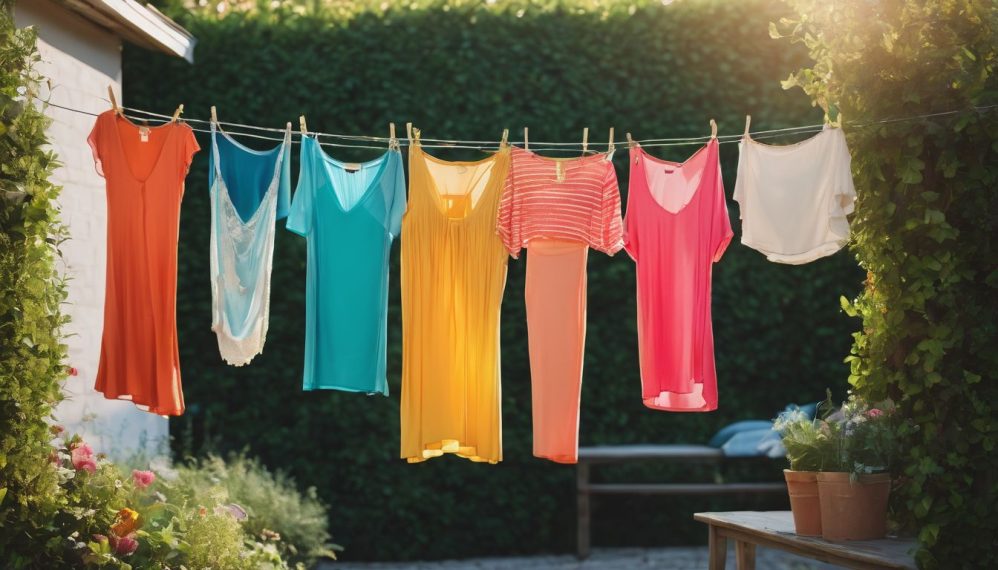
  • Line Dry for Energy Savings: Reduces energy use and extends the life of your clothes.
  • Wash Like-Colored Items Together: Prevents color bleeding and maintains fabric quality.
  • Properly Store Clothes for Seasonal Wear: Use breathable fabric bags or boxes for storage.

Use a finishing spray for a fresher scent

A finishing spray is a quick solution for fresh smelling laundry. It enhances and extends the fragrance of clothes, towels, and bedding.

Spray your laundry with a scented fabric spray right after washing it to add a pleasant fragrance. This freshness booster works as an effective odor eliminator. For those seeking an aromatic finishing touch, using a clothing freshening spray offers an easy way to ensure your garments smell great even days after laundering.

Line dry for energy savings

Line drying clothes is a simple way to cut down on energy use. By hanging clothes on a line or drying rack, you avoid the high costs and energy demands of using a dryer. This method is sustainable and eco-friendly, making your laundry routine more green.

ENERGY STAR certified heat pump dryers save a lot compared to conventional dryers, but air drying saves even more. Always running full loads in your washing machine also helps reduce energy use over time.

This efficient drying method not only conserves energy but also extends the life of your clothes by reducing wear from the tumble dryer.

Wash like-colored items together

Washing like-colored items together keeps clothes looking their best. This method prevents color bleeding, where darker or brighter colors leech onto lighter ones during the wash cycle.

Always sort your laundry by color before starting a wash to protect fabric care and maintain vibrant colors. Use detergent suited for the fabric type and follow laundry care instructions on clothing tags to ensure proper cleaning.

Sorting clothes correctly also helps in preventing color transfer, especially when removing them from the machine promptly after the cycle finishes. This practice is crucial for laundry room organization and supports successful laundry management by keeping similar items together for more efficient washing cycles.

Properly store clothes for seasonal wear

Clean and mend your clothes before storing them away for the season. Use breathable fabric bags or boxes to keep dust off while allowing air circulation. Vacuum-sealed bags save space but might compress and potentially damage certain fabrics, so use them with care.

For delicate items, acid-free tissue paper can provide extra protection against creases and folds.

Place heavier items at the bottom of storage containers to prevent lighter garments from getting crushed. Lavender sachets or cedar blocks can ward off pests, ensuring your clothes remain fresh.

Keep storage containers in a cool, dry place away from direct sunlight to avoid fading and moisture damage which can lead to mildew. Organize and label containers by season for easy access later on.

Subscribe to Rinse for convenient laundry and dry cleaning services

After making sure your clothes are properly stored, it’s time to think about how you can make laundry day even easier. Rinse offers convenient laundry and dry cleaning services that save you time and hassle.

They pick up your clothes at a scheduled time, clean them expertly according to your fabrics’ needs, and deliver them back to you ready to wear. With Rinse, managing your laundry and dry cleaning becomes effortless, letting you focus on more important things in life.

Rinse understands different fabrics require specific care. That’s why they provide a range of services suited for all types of clothing – from delicate silks to everyday cottons. Their expert team uses the correct washer settings and techniques for each fabric type, ensuring your clothes come back looking their best.

Trust Rinse for stress-free laundry and dry cleaning delivery services that cater perfectly to your busy lifestyle.

Conclusion

Understanding your washing machine’s cycles and settings can save time and protect your clothes. The right cycle keeps fabrics looking their best. Water temperature, soil level, and additional options add to cleaning power without harm.

These choices make laundry less of a chore and more efficient. Knowing how to match the cycle with fabric type extends the life of your clothing. Your efforts lead to fresher, cleaner clothes with every wash.

FAQs

1. What does the “regular” cycle on my washing machine do?

The “regular” cycle cleans everyday clothes with a normal level of dirt.

2. When should I use the “delicate” cycle?

Use the “delicate” cycle for washing items that are easily damaged, like silk or lace.

3. Is there a specific cycle for heavily soiled clothes?

Yes, use the “heavy duty” or “deep clean” cycle for clothes with heavy stains or dirt.

4. Can I wash all types of fabric in the “permanent press” cycle?

The “permanent press” cycle is best for synthetic fabrics and helps reduce wrinkles and creases.

5. How do I choose between cold, warm, and hot water settings?

Choose cold water to save energy and prevent colors from bleeding, warm water for synthetic fabrics, and hot water for whites or very dirty items.

How To Remove Wrinkles From Clothes Without An Iron

How To Remove Wrinkles From Clothes Without An Iron

Fabricare Center Blog , Laundry

Wrinkles can make even the most stylish clothes look unkempt. Everyone faces this challenge, but not everyone has an iron on hand or the time to use one. One key fact is that a dryer can work wonders in smoothing out wrinkles without needing an iron. This blog will explore simple yet effective methods to remove wrinkles from your clothes without an iron, using tools and techniques you likely already have at home. Keep reading to make wrinkled clothes a thing of the past.

Key Takeaways

  • You can remove wrinkles from clothes using a dryer with a damp towel and ice cubes to create steam.
  • Steam from showers, boiling water, or garment steamers effectively smooths out wrinkles without touching the fabric directly.
  • DIY wrinkle remover sprays made from water and fabric softener work well for quick fixes.
  • Hair straighteners are great for ironing small areas like collars and hems when you’re in a rush.
  • Properly storing clothes, choosing wrinkle – resistant fabrics, and not overloading the dryer help prevent wrinkles.

Alternative Methods for Removing Wrinkles Without an Iron

Alternative Methods for Removing Wrinkles Without an Iron

Forget the iron when it comes to smoothing out wrinkles. Explore quick and easy methods that make your clothes look sharp without traditional ironing.

Using the dryer

Using the dryer is a quick fix for removing wrinkles from clothes without an iron. This method is simple and effective, especially when you’re in a rush.

  1. Toss wrinkled clothes into the dryer with a damp towel. The moisture helps ease out creases.
  2. Add a few ice cubes along with the clothes for steam production. As ice melts, it releases steam that helps smooth out wrinkles.
  3. Set the dryer on medium heat for about 15 minutes to gently remove wrinkles.
  4. Immediately hang or fold clothes after drying to prevent new wrinkles from forming.
  5. For slight wrinkles, use the air – fluff setting with no heat for 10 minutes.

These steps help in wrinkle reduction, offering an alternative method for garment care without needing an iron. Quick and easy, using the dryer saves time while keeping your clothes looking their best.

Using steam

Steam is a powerful tool for removing wrinkles without an iron. A garment steamer or steam generator makes this task easy and effective.

  1. Fill a garment steamer with water. Turn it on and wait for it to produce steam.
  2. Hold the steamer close to the fabric without touching it. Move it up and down over wrinkled areas.
  3. For clothes hanging on a hanger, steam from top to bottom. This method helps release wrinkles quickly.
  4. Use steam treatment for items hard to iron or those that should not have creases.
  5. Place clothes in the bathroom while taking a hot shower. The steam from the shower can help remove light wrinkles.
  6. Heat water for tea and hold the clothing near the steam safely to smooth out wrinkles.

Ice cubes in a dryer create steam too. Toss a few ice cubes into the dryer with wrinkled clothes for a quick wrinkle release.

Boiling water can serve as a homemade steaming solution. Hold garments above boiling water carefully to catch the steam.

Always test fabric tolerance to steam before using this method extensively, especially on delicate materials like silk.

Keep garments at a safe distance from direct heat or boiling water to avoid water spots.

Garment steamers are efficient, especially for clothes requiring gentle care or no creases.

Steam targets wrinkles without direct contact, making it ideal for delicate fabrics and intricate designs.

Using heat tools

Heat tools like hair straighteners can remove wrinkles from clothes. They work well for quick touch-ups without an iron.

  1. Check the fabric label first to ensure it’s safe to apply heat directly.
  2. Turn your hair straightener on to a medium heat setting.
  3. Lay the garment on a flat surface.
  4. Clamp the fabric lightly between the straightener plates.
  5. Glide the straightener slowly over the wrinkled areas.
  6. For tougher wrinkles, press down slightly harder but keep moving to avoid scorching.
  7. Use short, quick movements for delicate fabrics to prevent damage.
  8. Focus on small sections at a time for better results.

Using a hair straightener as a wrinkle remover is effective and saves electricity compared to traditional irons. This tool is especially handy for travelers needing a quick clothing touch-up without accessible power outlets for an iron.

DIY Wrinkle Remover Spray

After exploring the use of heat tools, another effective method to remove wrinkles without an iron is creating a DIY wrinkle remover spray. This homemade solution is easy to make and works wonders on your clothes. Here’s how you can prepare and use it:

  1. Gather your materials: You need a clean spray bottle, water, and fabric softener.
  2. Mix the solution: Fill the spray bottle with one part fabric softener and two parts water.
  3. Shake well: Ensure you shake the bottle to mix the ingredients thoroughly.
  4. Test on fabric: Spray a small amount on a hidden area of your garment to test for any adverse reaction.
  5. Apply lightly: Lightly mist your wrinkled garment with the spray from a distance of about six inches.
  6. Smooth out: Gently smooth out the wrinkles with your hands or a dry towel.
  7. Let dry: Allow the garment to air dry completely.

Using this DIY wrinkle release spray not only helps in removing wrinkles but also leaves your clothes smelling fresh. It’s a quick, natural wrinkle remover that saves you time and keeps your clothes looking their best without an iron.

Using Household Items

Household items can double as effective tools for removing wrinkles from clothes. This method saves time and energy.

  1. Use a damp towel: Lay a damp towel over the wrinkled garment and press down with your hands. The moisture and pressure help smooth out creases.
  2. Hang clothes in the bathroom: Steam from a hot shower works wonders on wrinkles. Just hang your garment nearby but not in direct water contact.
  3. Roll garments tightly: For lightly wrinkled items, rolling them tightly helps stretch out the fabric, reducing wrinkles.
  4. Heat a pot: Mimic an iron by heating a regular cooking pot (dry and clean) on the stove, then gently glide it over your clothes on a flat surface.
  5. Spray vinegar solution: Mix equal parts of water and vinegar in a spray bottle. Spritz lightly on clothes, then let them dry to see the wrinkles release.
  6. Use a hair dryer: Blow hot air from a hair dryer onto damp areas of wrinkled clothes to dry and smooth them out quickly.
  7. Apply ice cubes in the dryer: Tossing a few ice cubes into the dryer with wrinkled clothes creates steam, which helps remove creases during the drying cycle.

Moving forward, let’s explore some additional tips for keeping your wardrobe looking its best without an iron.

Tips for Removing Wrinkles Without an Iron

Tips for Removing Wrinkles Without an Iron

Picking the right fabrics and hanging clothes correctly can cut down on wrinkles. Avoid stuffing too many items in the dryer to keep your garments smooth.

Choose Fabrics Wisely

Choosing fabrics wisely is crucial in wrinkle prevention. Wrinkle-resistant fabrics such as polyester, nylon, and spandex are smart choices. They help reduce the need for ironing by minimizing wrinkles from the start.

On the other hand, natural fabrics like cotton and linen tend to wrinkle more easily. Knowing this can save time and make fabric care simpler.

Selecting the right fabric not only enhances durability but also significantly cuts down on maintenance time by reducing wrinkles.

Hang Clothes Properly

Hanging clothes properly plays a crucial role in wrinkle prevention. Right after washing, take each garment and give it a good shake to loosen any wrinkles that might have formed. Pull gently on the corners to further smooth out the fabric.

Then, hang each piece of clothing on its own hanger to ensure it has enough space to air dry without creases setting in.

For shirts and dresses, button the top button or use clips for skirts and pants at the waistband to keep them stretched out while drying. This method not only helps your clothes maintain their shape but also reduces the need for ironing later on.

By practicing careful garment maintenance and organization, you can significantly cut down on wrinkles and keep your clothes looking fresh longer.

Avoid Overloading the Dryer

After hanging clothes properly, focus on the dryer. Overloading the dryer prevents clothes from tumbling freely which can lead to more wrinkles. Give your laundry enough room to move by not packing the dryer too full.

This allows hot air to circulate better, smoothing out creases and preventing new wrinkles from forming.

Use a gentle wash cycle before drying and make sure not to stuff the dryer with too many items. Quickly remove clothes after drying, especially when they’re slightly damp. This trick makes them easier to smooth out and keeps them looking neat without needing an iron.

Following these steps ensures your garments stay wrinkle-free right out of the dryer, making clothing care easier while avoiding overloading.

Additional Ways to Keep Clothes Wrinkle-Free

Store clothes correctly by using hangers or folding them neatly. Keep clothes smooth while traveling by rolling them instead of folding.

Proper Storage Techniques

Proper storage techniques play a crucial role in keeping clothes wrinkle-free. Experts recommend specific ways to store garments to prevent wrinkles and preserve fabric quality.

  1. Fold heavy items like sweaters and jeans to maintain shape and prevent stretching.
  2. Hang delicate items such as dresses, shirts, and pants on appropriate hangers to avoid creases.
  3. Store clothes in a cool, dry place to prevent moisture build – up which can lead to wrinkles.
  4. Use garment bags for suits, dresses, and other formal wear to protect against dust and reduce wrinkles.
  5. Keep closets well – organized and do not overcrowd; this allows clothes to hang freely without getting crushed.
  6. Roll softer garments like T – shirts and pajamas when placing them in drawers or suitcases for saving space without causing wrinkles.
  7. Place heavier items at the bottom of piles in drawers to prevent creasing of lighter items on top.
  8. Use acid-free tissue paper between layers of clothing when stacking them for long-term storage, helping to maintain their shape and prevent creases.

Applying these proper storage techniques ensures that your clothes remain wrinkle-free, making them ready-to-wear anytime. These methods are not only about fabric care but also about laundry tips that save time on ironing alternatives, promoting better clothing maintenance and preservation overall.

Clothing Care While Traveling

After mastering proper storage techniques, focusing on clothing care while traveling is vital for a well-maintained wardrobe. Traveling can bring unique challenges to keeping clothes looking their best. Here are essential tips to ensure your garments remain smooth and ready-to-wear, no matter where you are.

  1. Pack smart: Choose fabrics that resist wrinkles, like polyester or nylon. Roll softer garments and fold stiffer ones carefully to minimize creases.
  2. Use shower steam: Hang clothes in the bathroom while taking a hot shower. The steam helps remove wrinkles without direct contact with heat.
  3. Spray and smooth: Carry a small spray bottle with water. Lightly mist clothes and gently stretch them out to ease away folds.
  4. Portable steamer advantage: Investing in a travel-sized steamer can be a game-changer for quick wrinkle removal in any setting.
  5. Layer with care: Place heavy items at the bottom of your suitcase and lighter, more wrinkle-prone items on top to prevent crushing.
  6. Dryer sheets trick: Tuck a dryer sheet into your suitcase to keep clothes smelling fresh and reduce static that can cling and wrinkle fabrics.
  7. Immediate unpacking: Unpack as soon as you arrive at your destination to avoid letting clothes sit wrinkled for too long.
  8. Flat iron for quick fixes: Use your hair straightener to iron out small wrinkles on hems or collars safely.

Adapting these practices ensures your clothing remains neat and presentable throughout your travels, saving time and hassle so you can enjoy your journey with confidence.

Conclusion

You learned many ways to get rid of wrinkles without an iron. Dryers, steam, and homemade sprays can smooth out clothes fast. These methods save time and make life easier. Try them next time your shirt is wrinkled. You might be surprised at how well they work!

FAQs

1. Can I use a hair dryer to remove wrinkles from clothes?

Yes, you can use a hair dryer on damp clothing to smooth out wrinkles.

2. Does hanging clothes in the bathroom while showering help remove wrinkles?

Hanging clothes in a steamy bathroom can help reduce wrinkles without ironing.

3. Can rolling clothes instead of folding them prevent wrinkles?

Rolling your clothes tightly can prevent new wrinkles from forming.

4. Is it possible to use a damp towel to get rid of wrinkles on clothes?

Placing a damp towel over wrinkled clothing and pressing down can help remove creases.

5. Can vinegar solution help in removing wrinkles from clothes?

Spraying a mixture of vinegar and water on clothes then letting them dry can ease out wrinkles.

Ultimate Guide Well Water Laundry Tips For Cleaner Clothes

Ultimate Guide: Well Water Laundry Tips For Cleaner Clothes

Fabricare Center Blog

Dealing with well water can make laundry day a challenge. Your clothes might come out feeling stiff and scratchy instead of clean and comfortable. This is a common problem for many, but there’s good news: it can be fixed. One crucial fact to remember is that hard water affects how effectively detergent cleans your clothes. Our blog post offers practical tips for anyone looking to tackle well water laundry issue head-on. From selecting the right detergent to adjusting your washing method, we’ve got you covered.

Key Takeaways

  • Hard water makes laundry tougher by leaving minerals in clothes, causing them to feel stiff and look dull. Washing with more detergent, using quality detergents made for hard water, or installing a water softener can help.
  • Natural alternatives like vinegar or borax improve laundry results in hard water conditions. Vinegar removes deposits, and borax boosts detergent power against minerals.
  • Warm wash cycles help dissolve detergent better in hard water. This means cleaner clothes with less residue left behind.
  • Sorting laundry into whites and colors prevents bleeding and fading. Use specific care tips like washing whites in hot water for brightness and cold water for colored fabrics to keep them vibrant.
  • Regularly cleaning your washing machine is key to dealing with well water challenges. Eco – friendly detergents are good for the environment and safe for use at home.

Understanding Hard Water and its Effects on Laundry

Hard water contains minerals that can make it tough to get clothes clean. These minerals also build up in fabrics, making them feel stiff and look dull.

What is hard water?

Hard water is water filled with minerals like calcium and magnesium. These minerals get into the water as it flows through soil and rock. Hard water can leave stains on clothes, making them look dull and feel rough.

Over time, washing in hard water damages fabric fibers, leading to weaker and less vibrant clothes. It also builds up in appliances, causing leaks and other damage.

Hard water contains dissolved minerals that are tough on fabrics and appliances.

How does it affect laundry?

Hard water makes clothes look dingy and feel rough. It causes fabric quality to drop, colors to fade, and stains to appear on your laundry. The minerals in hard water can break down fibers in clothes faster, leading them to wear out 15 percent quicker than those washed in soft water.

Clothes and linens end up dull, discolored, and covered with residue. Wearing these clothes might cause dryness and irritation to your skin.

Common laundry problems caused by hard water

Hard water contains high levels of minerals that can make doing laundry a challenge. These minerals interfere with the cleaning process, leading to several issues.

  1. Stains on clothes: Minerals in hard water can leave behind stains, making clothes look dirty even after washing.
  2. Faded colors: The excessive mineral content can cause colors to fade quickly, making bright clothes look dull.
  3. Rough textures: Clothes washed in hard water often feel rough to the touch due to mineral deposits left on the fabric.
  4. Increased wear and tear: Clothing washed in hard water wears out 15 percent faster than when washed in soft water.
  5. Hard water stains: White or light-colored items may develop hard water stains that are tough to remove.
  6. Reduced detergent effectiveness: Hard water reduces the cleaning power of laundry detergents, requiring you to use more for effective cleaning.
  7. Fabric irritation: The residue left by hard water on clothes can lead to chafing, dryness, and skin irritation when worn.
  8. Needs for frequent washing: Clothes may not seem fully clean after a wash cycle, necessitating more frequent laundering which further wears down fabric fibers.

These problems highlight the importance of using proper laundry care techniques and solutions when dealing with hard water.

How to Effectively Do Laundry with Hard Water

Hard water makes laundry challenging, but solutions exist to overcome these issues. Adding extra detergent and using a water softener can lead to cleaner clothes.

Using more detergent

With hard water, your laundry needs up to 30% more detergent. This extra amount helps remove oils and debris from clothes effectively. Choose a quantity that matches the hardness of your water for the best results.

Hard water challenges in laundry can be overcome by adjusting detergent use.

Moving on, picking a high-quality detergent plays a crucial role in washing with hard water.

Using high-quality detergent

After using more detergent, consider switching to a high-quality laundry detergent specifically formulated for hard water conditions. Liquid detergents work well in both soft and hard water, making them a versatile choice.

For tougher loads, choose products with enzymes and detergent boosters to tackle the minerals in hard water effectively. These ingredients break down stains and buildup that hard water causes.

High-quality detergents may cost more upfront but reduce the need for re-washing clothes, saving time and energy.

Look for liquid laundry detergents labeled for use in hard water or those that mention they contain enzymes or bleach. This ensures your laundry gets clean without extra rinses or detergent.

Following these tips leads to cleaner clothes and less hassle when doing laundry with well water.

Washing laundry in warmer water

Washing your laundry in warmer water can make a big difference when dealing with hard water. Warm water helps detergents dissolve better, reducing the adverse effects on fabrics. This means cleaner clothes and less residue.

Hard water can be tough on laundry, but raising the water temperature breaks down minerals that cause stiffness and fading.

Installing a water softener

Installing a water softener in your home helps tackle hard water issues directly at the source. This device works by removing heavy minerals like calcium and magnesium, which are responsible for making water hard.

With these minerals gone, your laundry will not only look brighter but will also require less detergent to get clean, enhancing detergent efficiency significantly.

Proper softener settings are crucial for maximum benefits. Ensure your water softener is adjusted correctly to match the hardness level of your water supply. This step guarantees a steady flow of softened water, optimizing mineral removal and promoting better laundry outcomes.

Using alternatives like vinegar or borax

After considering a water softener, look into natural alternatives like vinegar and borax for doing laundry with hard water. Vinegar, especially white vinegar, is effective in removing hard water deposits such as calcium and magnesium.

This makes it a powerful alternative to regular laundry detergent. Sprinkle vinegar directly on your clothes or add it to the wash cycle for softer, cleaner clothes without the harshness of chemicals.

Borax also enhances homemade detergents’ cleaning power in areas with hard water by increasing their ability to combat magnesium and calcium deposits. Add borax along with your chosen detergent to boost the cleanliness of your laundry without resorting to more synthetic cleaners.

Tips for Specific Laundry Items

For laundry items like whites and colors, specific care ensures they stay bright and don’t bleed. Gentle handling of delicates keeps them in good shape for longer.

Whites

To keep white clothes bright, separate them from colored laundry. This prevents color transfer. Wash white towels, sheets, and socks on the hot setting recommended by their care labels.

Treat stains quickly to maintain whiteness. For collars, cuffs, and hems, spot treatment works best.

Adding vinegar not only brightens whites but also softens water and cuts through soap residue. Always match detergent amount with load size and soil level; for heavily soiled items or to enhance brightness safely, use bleach suitable for the fabric type.

Colors

Sorting clothes by color before washing is crucial to prevent bleeding and fading. For bright or dark-colored fabrics, always opt for cold water; it helps maintain color integrity and brightness.

Washing whites separately allows you to use bleach without risking damage to colored items.

Always check labels for colorfastness to ensure your brights stay brilliant.

For delicates and linens, gentle cycles in cold water are best. This method preserves fabric colors and prevents them from fading quickly. Avoid hot water for colored fabrics since it can cause colors to fade faster.

Delicates

Moving from caring for colors, delicates require a gentle approach. Wash these items in cold water with a mild detergent to keep them looking their best. Delicates are sensitive and can lose their shape or color if treated harshly.

It’s also wise to dry them on low heat or air-dry whenever possible.

Before washing, soaking delicate clothing can help ease stains out of fragile fabrics without the need for vigorous scrubbing. Some pieces might demand professional dry cleaning rather than home laundering, particularly when dealing with very fine or sheer materials.

Final Tips and Recommendations

Always choose eco-friendly detergents and care for your washing machine to make well water laundry easier.

Using environmentally safe detergents

Eco-friendly laundry detergents help keep our water clean and reduce energy use. They are often as good at washing clothes as regular soaps. Look for products with EPA ecolabels to find safe options easily.

These green solutions don’t just protect the planet; they also safeguard our health by avoiding harsh chemicals.

Consumer Reports guides us on which natural detergents avoid harmful substances, ensuring safer choices for families. Switching to biodegradable or organic fabric cleaners means cleaner clothes and a healthier environment.

Properly caring for your washing machine

Switching from environmentally safe detergents to the next step, maintaining your washing machine is crucial for its performance. Clean your washing machine every 30 days or after 30 wash cycles to keep it running smoothly.

Check hoses regularly and avoid overloading the washer to prevent damage. Leave the door open post-use to air it out and reduce leaks.

For optimal care, dissolve powdered detergent in warm water before use, especially with cold washes. Mix vinegar and baking soda for a natural cleaning solution that tackles residue buildup.

Troubleshooting common laundry problems

Hard water can make doing laundry a challenge. It can weaken fibers, leave clothes stiff, and cause colors to fade.

  1. Clothes feel scratchy: Use half a cup of vinegar in the rinse cycle to soften fabrics without harmful chemicals.
  2. White residue on dark clothing: Cut down on detergent use; hard water makes it harder for soap to rinse out. Try using about half the recommended amount.
  3. Dull colored fabrics: Install a water softener to combat the minerals in hard water that dull colors. For an immediate fix, rinse clothes in a mix of water and vinegar.
  4. Fading colors quickly: Wash clothes in colder water with a color-protecting detergent designed for hard water.
  5. Stubborn stains remain: Pretreat stains with a mixture of water and borax before washing. It helps break down the minerals responsible for making stains stick.
  6. Blue stains on clothes: This is often due to fabric softener not dissolving correctly in hard water. Instead, add vinegar during the rinse cycle as a natural fabric softener.

Ensure you care properly for your washing machine next, as it plays a critical role in dealing with hard water challenges.

Conclusion

Shifting from tackling common laundry problems, we now embrace our final insights for fabric laundering. The journey through the laundry process enhances not just clothes’ freshness but also their safety by reducing pathogen exposure.

This comprehensive guide aimed to separate myths from facts, ensuring you maintain clean and long-lasting garments while observing best practices in washing machine maintenance and detergent selection.

Keep these tips in mind to improve your home laundry routine, safeguarding against pathogen transmission effectively.

FAQs

1. How can I make my clothes cleaner when using well water?

Use a water softener in your washing machine to combat hard water and improve cleaning.

2. Will vinegar help remove soap residue from clothes washed in well water?

Yes, adding half a cup of vinegar to the rinse cycle can help remove soap residue.

3. Can installing a filtration system improve laundry results with well water?

Installing a whole-house filtration system can significantly reduce minerals and impurities, leading to cleaner clothes.

4. What detergent works best with well water for laundry?

Choose detergents labeled as “made for hard water” for better results with well water.

5. How do I prevent rust stains on clothes from well water?

Add a rust remover product designed for laundry use to each wash load to prevent stains.

Does OxiClean Effectively Sanitize And Disinfect Laundry

Does OxiClean Effectively Sanitize And Disinfect Laundry?

Laundry

Everyone wants their laundry to be as clean and germ-free as possible, especially in times when health is a top priority. Finding the right product that can both sanitize and disinfect, removing stains and odors along the way, is crucial. OxiClean Laundry & Home Sanitizer claims to do just that by killing 99.9% of bacteria and viruses. This article will explore how OxiClean stands up against these needs, offering a deep dive into its effectiveness for your laundry routine. Ready to find out if OxiClean is your laundry solution?

Key Takeaways

  • OxiClean Laundry & Home Sanitizer kills 99.9% of bacteria and viruses on laundry and surfaces like bathroom tiles, carpets, and upholstery without bleach.
  • For cleaner clothes, add OxiClean according to the package instructions along with your regular detergent in the washing machine.
  • It is safe for many fabrics and offers a less harsh option compared to traditional bleach, protecting colored clothing while disinfecting effectively.
  • Users have shared positive feedback about its ability to remove stains and odors, although opinions on its sanitizing power vary compared to bleach products.
  • You can use OxiClean beyond laundry; it cleans floors, kitchen counters, and even tackles tough stains from wine spills or pet accidents around the house.

What is OxiClean Laundry & Home Sanitizer?

OxiClean Laundry & Home Sanitizer is a powerful cleaner that targets bacteria, viruses, and germs in laundry and around the house. It works on multiple surfaces, from clothes to carpets, killing pathogens and removing tough stains and odors.

Overview of the Product

OxiClean Laundry & Home Sanitizer is a powerful 3-in-1 formula that tackles germs, odors, and stains. It’s designed for cleanup tasks throughout your home. This sanitizer kills 99.9% of bacteria and viruses, ensuring a thorough clean wherever it’s used.

Approved by the EPA, its effectiveness against common household germs makes it a reliable choice for sanitizing needs.

Versatile in nature, this product goes beyond laundry; it cleanses couches, carpets, tiles, and more household surfaces. Its multi-purpose capability means you can disinfect various areas with just one product.

By eliminating odors and tackling tough stains while killing harmful germs, OxiClean Laundry & Home Sanitizer serves as an essential tool for maintaining a clean home environment.

Multi-Purpose Uses

OxiClean Laundry & Home Sanitizer goes beyond laundry; it shines as an all-purpose cleaning solution. This mighty cleaner tackles tough stains and odors on a variety of household surfaces, from bathroom tiles to carpets.

Its 3-in-1 formula not only eliminates germs but also cleans and freshens up your home, proving its worth as a versatile household sanitizer.

Transform every corner of your home with the powerful cleaning action of OxiClean.

With this multifunctional cleaning product, chores become easier because you have one solution for multiple messes. Whether you’re scrubbing down kitchen countertops or freshening up the living room upholstery, this effective germ and stain remover works wonders across the board, making it an essential tool in maintaining a clean and healthy living space.

Does OxiClean Effectively Sanitize and Disinfect Laundry?

Does OxiClean Effectively Sanitize and Disinfect Laundry

OxiClean Laundry & Home Sanitizer claims to kill bacteria and viruses in laundry. Many users report that it removes odors and stains while sanitizing fabrics effectively.

How OxiClean Kills Bacteria and Viruses

OxiClean Laundry & Home Sanitizer kills 99.9% of bacteria and viruses, making it a powerful sanitizing agent for laundry and household surfaces. It does this without bleach, using oxygen-based agents to break down the structures of germs.

This process disrupts the growth and survival of harmful microbes, ensuring they can’t reproduce or cause illness.

Next, look into user experiences and reviews to understand how effective OxiClean is in real-world scenarios.

Comparison with Other Sanitizing Products

Comparing OxiClean with other sanitizing products reveals its unique effectiveness in disinfecting laundry. OxiClean, containing sodium percarbonate, kills 99.9% of bacteria and viruses, a critical aspect for proper laundry sanitation. Alternatives like bleach also offer strong disinfecting properties but come with harsher chemicals and potential for color damage. The comparison highlights OxiClean’s balanced approach to both cleaning and disinfecting, providing a safer option for a wide range of fabrics.

ProductDisinfecting AbilitySafe for ColorsChemical Harshness
OxiCleanKills 99.9% of bacteria and virusesYesModerate
BleachHighly effectiveNoHigh
Other Laundry BoostersVariesMostly yesLow to Moderate

This table summarizes the key differences between OxiClean and its competitors, showcasing its role as a reliable and fabric-friendly sanitizer for laundry and home use.

How to Use OxiClean Laundry & Home Sanitizer

For clean and germ-free clothes, add OxiClean Laundry & Home Sanitizer to your wash following the label instructions. It also works wonders on carpets, upholstery, and bathroom tiles with specific directions for each.

Proper Directions for Laundry

Using OxiClean Laundry & Home Sanitizer in your laundry routine is easy and efficient. It helps remove tough stains and disinfects your clothes, making it a great bleach alternative.

  1. Check the label on your clothing to ensure it’s machine washable.
  2. Add your regular detergent to the wash cycle.
  3. Pour OxiClean directly into the drum or use the dispenser if your machine has one. For large loads, use more OxiClean as instructed on the package.
  4. Place your clothes in the washing machine. Do not overload; this ensures all items get thoroughly cleaned and sanitized.
  5. Choose a warm water setting for optimal sanitization, unless the garment label says otherwise.
  6. Start the wash cycle and wait for it to complete.
  7. For extra tough stains, soak stained clothing in a solution of OxiClean and water for up to 6 hours before washing. Follow package instructions for proper dosing amounts based on water volume.
  8. After soaking, run a normal wash cycle with an added dose of OxiClean for maximum stain removal and disinfection.

Following these steps will help ensure that your laundry comes out clean, sanitized, and free of tough stains.

Other Household Uses (bathroom tile, carpet, etc.)

OxiClean Laundry & Home Sanitizer proves its versatility beyond the laundry room. It tackles a wide range of household cleaning tasks with ease.

  1. Bathroom Tile: OxiClean effectively sanitizes and disinfects bathroom tiles, killing 99.9% of bacteria and viruses. Its powerful formula removes stains, making tiles look new.
  2. Carpet: This multipurpose cleaner works wonders on carpets, eliminating odors and lifting away stains without damaging the fabric.
  3. Upholstery: Safe for use on most upholstery fabrics, OxiClean dissolves messes and odors, refreshing your furniture.
  4. Floors: Whether tile, vinyl, or hardwood, OxiClean safely cleans floors, leaving them spotless and sanitized without harmful residues.
  5. Surface Cleaner: It acts as an excellent surface cleaner for kitchen counters and dining tables, ensuring they are free from germs.
  6. Stain Remover: From wine spills to pet accidents, OxiClean removes tough stains across various surfaces.
  7. Odor Eliminator: It eliminates unpleasant smells from trash cans, diaper pails, and other smelly spots around the house.

Each use showcases OxiClean’s ability to handle more than just laundry, providing a comprehensive cleaning solution for the entire home.

Conclusion

This article shows that OxiClean Laundry & Home Sanitizer is a strong choice for keeping laundry clean and safe. It kills 99.9% of germs and works on many surfaces. People enjoy using it because it’s effective and easy to use with clear instructions.

Comparing it to other products, its ability to remove stains, odors, and germs stands out. For those wanting to avoid traditional bleach, this offers a versatile alternative. Taking steps toward cleaner laundry today can lead to healthier living spaces tomorrow.

FAQs

1. Can OxiClean sanitize my laundry?

Yes, OxiClean can help sanitize your laundry by removing bacteria.

2. Does OxiClean disinfect clothes?

No, OxiClean is not a disinfectant and does not kill viruses or germs like a disinfectant would.

3. How do I use OxiClean to get the best sanitizing results?

Use it with hot water and follow the package instructions for the correct amount of product.

4. Can I mix OxiClean with bleach to make my laundry more sanitized?

No, you should never mix OxiClean with bleach as it’s dangerous and can create harmful gases.

5. Is it safe to use OxiClean on all types of fabrics?

Check clothing labels first but generally, it is safe for most colorfast fabrics.

How To Properly Clean A Dirty Horse Blanket

How To Properly Clean A Dirty Horse Blanket

Fabricare Center Blog

Cleaning a dirty horse blanket is a common challenge for many horse owners. Dirt, sweat, and hair can quickly turn a useful piece of equipment into an unpleasant mess. Cleaning these blankets properly not only keeps your horse comfortable but also extends the life of the blanket. This article offers practical advice on prepping, washing, repairing, and maintaining your horse’s blankets to get them looking and smelling as good as new again.

Key Takeaways

  • Cleaning a dirty horse blanket starts with removing dry dirt and using the right detergent for washing.
  • You can wash blankets by hand or in a machine, but always follow manufacturer instructions to avoid damage.
  • Repair tears quickly and re – waterproof your horse blanket to keep it in good condition.
  • Store horse blankets properly after they are completely dry to prevent mold and damage.

Prepping and Washing Horse Blankets

Prepping and Washing Horse Blankets

Getting your horse blankets clean starts with the right preparation. Select a suitable detergent and decide if you’ll use a washing machine or hand wash for effective cleaning.

Choosing the right blanket wash

For a clean and comfortable horse blanket, choosing the right wash product is key. Use mild detergents designed for equine blankets. Harsh chemicals can damage the fabric and irritate your horse’s skin.

Look for products that remove dirt without compromising the material’s integrity.

Always check the washing instructions provided by the manufacturer before selecting your detergent. Some blankets may require specific care to maintain their waterproofing and breathability features.

Opting for specialized equine blanket washes ensures thorough cleaning while preserving these essential qualities.

Washing Machine vs. Hand Washing

Once you’ve chosen the right blanket wash, deciding between a washing machine and hand washing is your next step. Each method has its benefits for cleaning horse blankets.

Washing Machine Pros:

  • Saves time for busy horse owners.
  • Consistent and thorough clean using appropriate cleaners made for waterproof sheets/blankets.
  • Myths debunked: Washing in machines won’t ruin blanket waterproofing.

Washing Machine Cons:

  • Not all blankets fit in home machines; commercial laundries might be needed.
  • Frequent washes could potentially wear out materials over time.

Hand Washing Pros:

  • Gentle on fabrics, preserving blanket life.
  • Control over wash intensity, protecting sensitive areas.

Hand Washing Cons:

  • Time – consuming, demanding physical effort.
  • Challenges in thoroughly rinsing large blankets.

Pressure Washing:

  • Effective for light maintenance and spot cleaning.
  • Quick way to remove mud and loose dirt without full washing.

Choosing Between the Two:

  1. Consider blanket size and fabric type. Delicate or very large blankets might fare better with hand washing or professional services.
  2. Think about your time and resources. Busy schedules favor the washing machine, while more free time allows for meticulous hand cleaning.
  3. Assess the blanket’s condition. Heavily soiled blankets might need the vigorous action of a machine, whereas lighter dirt can easily be handled by hand or pressure washing.

No matter which method you choose, always use cleaners suitable for equine blankets to maintain their condition and waterproofing abilities. Regular cleaning not only keeps your horse healthy but also extends the life of the blanket.

Tips for Hand Washing and Machine Washing

Washing horse blankets properly keeps them in good condition and ensures they last longer. Whether choosing machine washing or a gentle hand wash, using the right techniques is crucial.

  1. Check the manufacturer’s instructions before cleaning. This step helps you choose between machine washing and hand washing.
  2. Use a mild detergent designed for horse blankets. These detergents gently clean without damaging the waterproof coating.
  3. Pre – rinse the blanket to remove loose dirt. You can use a hose or soak it in a large tub of water.
  4. For machine washing, select a large – capacity washer without an agitator to avoid damage. Use cold water and a gentle cycle.
  5. Add a cup of vinegar during the rinse cycle when machine washing to cut any soap residue, ensuring no irritants remain on the blanket.
  6. If hand washing, soak the blanket in a solution of water and mild detergent for about 15 minutes. Then gently scrub dirty areas with a soft brush.
  7. Rinse thoroughly by hand to make sure all soap is removed. Using cold water is best for rinsing out all detergent effectively.
  8. Squeeze out excess water gently; do not wring, as it can damage the fabric and affect waterproofing.
  9. Hang the blanket to dry in a well – ventilated area out of direct sunlight. Ensure it is completely dry before storage to prevent mold and mildew.

Following these tips helps maintain your horse’s blankets clean, keeping them comfortable and protected no matter the weather conditions they face outside.

Repairing and Re-Waterproofing Horse Blankets

Repairing and Re-Waterproofing Horse Blankets

Check your horse blankets for tears and fix them quickly to keep them in good shape. Apply new waterproofing treatments to ensure they stay dry and comfortable for your horse.

Identifying and Repairing Damage

Horse blankets that stay wet, dirty, and covered in manure or urine quickly lose their waterproofing. Calling in professionals can solve severe damage issues, as they can repair and re-waterproof the blankets efficiently. Here are steps to identify and fix damage on horse blankets:

  1. Inspect the blanket closely for any tears, loose threads, or holes. Pay special attention to areas that undergo a lot of stress, like straps and buckles.
  2. Check waterproofing by sprinkling water on the blanket’s surface. If water doesn’t bead up but soaks in, it needs re-waterproofing.
  3. For small rips or tears, use a needle and strong thread to sew them up tightly.
  4. Apply fabric glue to minor nicks or cuts as a quick fix until proper sewing can be done.
  5. Use patch kits for larger holes. Cut a patch larger than the hole and apply it according to the kit instructions.
  6. Remove all accessories like leg straps before starting any repair work.
  7. Clean the area around the tear with mild soap and water before doing any sewing or gluing to ensure a secure hold.

Taking these steps helps in repairing and maintaining horse blankets, restoring their durability and waterproofing qualities against moisture damage.

Re-waterproofing Techniques

Re-waterproofing a horse blanket restores its water repellent feature and ensures the comfort of your horse in wet weather. This process involves applying a waterproofing solution after cleaning the blanket thoroughly. Here’s how to do it effectively:

  1. Choose the right re-waterproofing product that is safe, wax and silicone-free. This keeps the blanket breathable.
  2. Wash the blanket thoroughly before re – waterproofing. Dirt and oils can prevent the waterproofing solution from adhering properly.
  3. Apply the re – waterproofing solution evenly across the entire surface of the freshly washed blanket. Use a sponge for even distribution.
  4. Allow for proper drying time following application instructions on the product label. Some products may require air drying, while others can handle low heat from a dryer.
  5. Inspect for even coverage once dry and apply additional coats if necessary. Areas that receive more wear may need more than one coat for effective waterproofing.
  6. Test the newly applied waterproof layer by sprinkling water on top of the fabric to ensure it beads up rather than soaking in.

Reapplying a protective coating with these re-waterproofing techniques extends your horse blanket’s life span and maintains its effectiveness in keeping your horse dry and comfortable during bad weather.

Importance of Proper Storage

After ensuring your horse blanket is thoroughly re-waterproofed, focusing on proper storage solutions becomes crucial for its care. Storing a muddy or wet horse blanket compromises its fabric and waterproofing capabilities.

Always allow the blanket to air dry completely before putting it away. This step prevents mold, mildew, and damage to the waterproofing material. Placing the dried blanket in a cool, dry area shields it from pests and debris, maintaining its condition for future use.

A properly stored horse blanket maintains its functionality and prolongs its lifespan significantly.

Fabric care involves regular maintenance checks for any signs of wear or tear. Outdoor gear like horse blankets calls for attentive storage practices to keep them ready for their next use.

By adhering to these textile protection strategies, you ensure your equestrian essentials remain in top shape season after season.

Taking Your Dirty Horse Blanket to a Professional Cleaner: Benefits and Options

For horse owners seeking a thorough clean and maintenance for their horse blankets, turning to a professional cleaning service can provide numerous benefits and solve challenges that home washing might not address. Here’s why you might consider a professional cleaner for your horse blankets and what to expect from the service.

Why Choose Professional Cleaning?

  1. Expertise and Equipment: Professional cleaners have the right tools and knowledge to handle various types of horse blankets, including those with special care instructions. Their industrial machines can accommodate larger blankets that won’t fit in home washers, ensuring a more thorough clean.
  2. Time-Saving: Busy horse owners can save significant time by outsourcing the cleaning process. Professional cleaners can efficiently handle large volumes or heavily soiled blankets, which might be cumbersome and time-consuming to wash at home.
  3. Damage Prevention: Using a professional service helps prevent potential damage that can occur from improper home washing techniques. Professionals understand how to maintain waterproofing and breathability features without compromising the fabric integrity.
  4. Special Treatments: Professional cleaners can also provide re-waterproofing and repair services. This is crucial for extending the life of the blanket and ensuring it continues to protect your horse effectively against the elements.
  5. Health and Hygiene: A professional clean ensures that all traces of dirt, bacteria, and allergens are removed, which is vital for the health of both the horse and the handler.

Do Dry Cleaners Clean Horse Blankets?

While traditional dry cleaning is not suitable for horse blankets due to the chemicals used and the need to maintain waterproofing features, many professional cleaners offer services specifically tailored for horse blankets. These services typically include washing, drying, and sometimes repairing and re-waterproofing treatments. It’s important to choose a cleaner that specifically advertises as being equipped to handle horse gear to ensure the best care.

Light Maintenance and Preventing Future Damage

Regular care keeps horse blankets in top shape and helps avoid future repairs. Explore more to keep your horse comfortable and protected.

Pressure Washing Techniques

Pressure washing can keep horse blankets in good condition and prevent future damage. Start by using a hard brush in circular motions to work the soap into the blanket. This technique helps to thoroughly clean without harming the waterproofing layer, debunking myths that washing ruins blankets’ protective features.

Experts agree that proper pressure washing plays a crucial role in maintaining the quality of horse blankets. It ensures not only cleanliness but also preserves their functionality for longer use.

Following these steps supports light maintenance efforts significantly, contributing to overall better care for horse equipment.

Products for Light Maintenance

After pressure washing, light maintenance products become essential for keeping the blanket in top condition. For regular cleaning and preventing wear and tear, a stiff brush is ideal for removing surface dirt and maintaining the fabric’s integrity.

Manufacturers suggest using a hose or stiff brush to eliminate excess dirt before it sets in deeply.

For spot treatments and dirt removal, consider specially formulated sprays that are gentle on horse blanket fabrics but tough on stains. These products help in easy upkeep of blankets without causing damage.

Regular use of such cleaners as part of your cleaning routine ensures the longevity of the blankets, saving time and effort by preventing future damage.

Proper care with right products makes all the difference in extending your horse blanket’s life.

Preventative Measures for Future Damage

Preventing future damage to horse blankets saves time and money. Regular maintenance and care keep blankets in good shape for years.

  1. Clean blankets regularly to remove dirt, sweat, and bacteria. This prevents the material from breaking down prematurely.
  2. Store blankets in a dry, cool place when not in use. Moist environments encourage mildew growth and rust on metal parts.
  3. Inspect blankets for wear and tear often. Early repairs can stop small issues from becoming big problems.
  4. Use a professional cleaning service at least once a year for thorough washing and reproofing. Professionals can also address any damage or wear.
  5. Apply waterproofing treatments after washing to protect against rain and damp conditions.
  6. Avoid pressure washing too often as it can weaken the fabric over time. Use this method for excessive dirt only on warm days followed by sunny weather to ensure complete drying.
  7. Hang blankets properly to dry after every use or cleaning session, avoiding direct sunlight that can fade colors and weaken fibers.
  8. Implement light maintenance routines such as brushing off loose dirt daily during heavy use periods.
  9. Follow manufacturer’s instructions for washing and care specific to each blanket type to avoid unintentional damage.
  10. Encourage air circulation when storing multiple blankets by not packing them too tightly together, reducing the risk of mildew formation.
  11. Prevent stacking heavy items on top of stored blankets which might crush or misshape them over time.
  12. Choose detergents carefully; opt for ones specifically designed for horse blanket care to maintain material integrity and waterproofing qualities.

By taking these steps, you ensure your horse’s blankets remain durable, comfortable, and ready to protect against the elements season after season.

Conclusion

Keeping horse blankets clean is essential for equine health and comfort. Start by removing dry debris, then brush, hose, or even use a car wash to get rid of tough dirt before washing.

Choose the right detergent and consider hand washing or using a machine with a protective bag for best results. Fix any damage and re-waterproof your blanket to keep it in top condition.

Regular light maintenance can prevent future issues. Taking these steps ensures your horse stays warm and dry in their well-cared-for blanket, encouraging you to tackle blanket care with confidence.

FAQs

1. What do I need to clean a dirty horse blanket?

You need water, mild detergent, and a brush or sponge.

2. Can I wash a horse blanket in the washing machine?

Yes, if it’s machine-washable; check the label for instructions.

3. How do I dry a horse blanket after washing it?

Hang it outside to air dry completely before storage or use.

4. Should I remove hair and dirt from the blanket before washing?

Yes, brush off all loose hair and dirt for better cleaning results.

5. Can I use bleach on my horse’s blanket?

No, bleach can damage the fabric and irritate your horse’s skin.

How To Remove Hair Dye Stains From Clothes Effective Techniques And Tips

How To Remove Hair Dye Stains From Clothes: Effective Techniques And Tips

Fabricare Center Blog , Household

Discovering hair dye stains on your favorite clothes can be frustrating. Often, it seems like nothing will get those stubborn spots out. Our guide offers step-by-step instructions and useful tips on how to remove hair dye stains on a variety of clothes and fabrics. From pre-treatment tricks to specific techniques for different dye colors, we cover all the bases to help you restore your stained clothing back to its former glory.

Key Takeaways

  • Act fast to remove hair dye stains from clothes using cold water, laundry detergent, and stain remover spray.
  • Use different methods for various dye colors like white vinegar for red dye, dish soap for black or dark brown dye, and lemon juice plus sunlight for pink dye.
  • Pre – treat stains with household items like baking soda or hairspray before washing.
  • For delicate fabrics or old stains, consider getting help from professionals.
  • Keep your laundry care eco-friendly with products like Kind Laundry’s Eco-Friendly Stain Remover Bar.

Step by Step Guide on Removing Hair Dye Stains

Step by Step Guide on Removing Hair Dye Stains

Removing hair dye stains from clothes requires quick action and the right approach. Follow our guide to effectively tackle these stubborn marks without harming your fabric.

What You’ll Need

To tackle hair dye stains on clothes effectively, a few essential items are needed. Gather these materials to start the stain removal process.

  1. Cold water: Helps in flushing out the dye before it sets into the fabric.
  2. Blunt knife or spoon: Used to scrape off any excess hair dye from the clothing.
  3. Body wash or bar soap: Acts as a mild cleansing agent to remove the dye’s surface residue.
  4. Liquid laundry detergent: Works deeply into the fabric to break down and lift away the stain.
  5. Stain remover spray: Targets and removes tough stains from clothes, making them easier to wash out.
  6. Soft bristle toothbrush: Gently scrubs away the dye particles without damaging the fabric.
  7. Dish soap: Cuts through the grease component of some dyes, helping to release them from your clothing.
  8. Cool water bath: Soaks stained clothing, loosening up the hair dye for easier removal during washing.

Use these items following a specific technique for effective hair dye spill cleanup and maintaining your clothing’s look and feel.

Pre-Treatment Techniques

After gathering your cleaning supplies, it’s time to focus on the pre-treatment techniques for removing hair dye stains from clothes. These steps help break down the dye, making it easier to wash away.

  1. Scrape off any excess dye from the fabric using a tissue or a blunt knife. This prevents the stain from spreading.
  2. Flush the stained area with cold water. Hold the fabric under running water to rinse out as much dye as possible.
  3. Apply liquid laundry detergent directly onto the stain. Rub it gently into the fabric with your fingers or a soft-bristled brush.
  4. Let the detergent sit on the stain for at least 5 minutes before rinsing thoroughly. This allows it to penetrate and lift the dye from the fabric fibers.
  5. For tough stains, use a specialized stain removal pre – treatment product. Follow the instructions on the label for application and rinse thoroughly after use.

These pre-treatment methods prepare stained clothing for washing and increase chances of completely removing hair dye spills from fabric care processes.

Specific Techniques for Different Hair Dye Colors

Hair dye stains on clothes can be stubborn, but matching the right removal technique with the specific dye color can make a big difference. From my own mishaps and successes, I’ve learned that each dye color behaves differently and thus requires its own approach for effective removal.

  1. Red Hair Dye: Use white vinegar and cold water. Red dye has a strong pigment that clings to fabric fibers. Soak the stained area in a mixture of equal parts white vinegar and cold water for 30 minutes before rinsing. This method lifts the red pigment without harming the fabric.
  2. Black or Dark Brown Hair Dye: Apply dish soap directly to the stain. Black and dark brown dyes contain deep pigments that need a degreasing agent to break them down. Rub dish soap into the stain, let it sit for an hour, then wash as usual.
  3. Blue or Purple Hair Dye: Mix baking soda and detergent. These colors often have a base that sticks to clothes easily. Create a paste with baking soda and laundry detergent, apply it to the stain, scrub gently with an old toothbrush, then launder.
  4. Green Hair Dye: Use rubbing alcohol. Green dyes can leave behind marks that seem impossible to remove. Place a cloth under the stained part of the garment, dab rubbing alcohol onto another cloth, then press onto the stain repeatedly until it fades away.
  5. Pink Hair Dye: Opt for lemon juice and sunlight. Pink stains are usually lighter but can still be noticeable. Squeeze lemon juice over the stain and leave the garment in direct sunlight for several hours; this will help bleach the stain naturally without damaging fabrics.
  6. Bright Colors (Neon): Cold saltwater soak works best here due to their fluorescent qualities which bind differently than traditional dyes do on fabric fibers; dissolve table salt in cold water, soak your stained clothing overnight, followed by regular laundering.
  7. Pastel Shades: A mix of hydrogen peroxide and water is gentle yet effective for softer colors like pastels which aren’t as deeply saturated; combine equal parts hydrogen peroxide and water in a spray bottle, spritz on afflicted area liberally; allow sitting for an hour before washing as normal.

When to Seek Professional Help

Sometimes, no matter how hard you try, a hair dye stain refuses to leave your favorite shirt. In my experience, when the fabric is delicate or the stain has been sitting for too long, home remedies just don’t cut it.

That’s when seeking professional assistance for tough hair dye stains becomes essential. Experts have the right tools and solutions that can safely remove stubborn stains without damaging your clothes.

Professionals understand how different fabrics react to chemicals and can tailor their approach accordingly. If scrubbing and DIY methods push the stain deeper into the material, getting professional help with hair dye stains is a wise move.

Additional Tips for Removing Hair Dye Stains

Additional Tips for Removing Hair Dye Stains

For extra help with hair dye stains, consider using hairspray, baking soda, or Kind Laundry’s Eco-Friendly Stain Remover Bar for effective results.

Using Hairspray or Baking Soda

Baking soda proves to be a powerful ally in the fight against hair dye stains on clothes. I once tackled a stubborn stain by mixing baking soda with a bit of water to form a paste.

After applying it directly to the stained area and letting it sit for several hours, I was amazed at how effortlessly the stain lifted after a gentle scrub and rinse. This method not only saved my favorite shirt but also confirmed baking soda’s reputation as an effective, natural stain remover.

Hairspray, surprisingly, works wonders too. A quick spray on the stained portion of fabric before washing can help break down the dye’s hold on the fibers, making it easier to wash out.

I’ve found this technique particularly useful for fresh stains that haven’t set in yet. It’s always impressive to see how something as common as hairspray can turn into an emergency hair dye stain removal solution right when you need it most.

Kind Laundry’s Eco-Friendly Stain Remover Bar

After exploring the use of everyday items like hairspray and baking soda for stain removal, let’s focus on a more specialized solution. The Kind Laundry Eco-Friendly Stain Remover Bar is a powerful ally against tough stains.

It stands out because it’s made from vegan ingredients and contains no harmful chemicals, making it safe for your skin and clothes as well as the environment. This bar is biodegradable, demonstrating commitment to earth-friendly cleaning solutions.

This nontoxic stain remover works effectively on various types of stains, ensuring that your laundry care routine remains both sustainable and efficient. Its gentle formula means it’s also suitable for sensitive skin, while its plant-based composition tackles stains without compromising fabric integrity or color.

Switch to Kind Laundry’s Eco-Friendly Stain Remover Bar for an environmentally responsible way to keep your clothes spotless.

Related Stain Removal Techniques

Explore how to tackle tough stains from tomato, coffee, grease, and even pen marks with effective strategies.

Removing Tomato, Coffee, and Grease Stains

For coffee stain removal, mix distilled white vinegar, liquid detergent, and water. Apply this solution directly to the stain and gently rub. Rinse with warm water and repeat if necessary until the stain fades away.

To tackle tomato sauce stains on clothes, start by rinsing the area with cold water. Then apply dish soap and liquid laundry detergent directly onto the stain. Rub the fabric together or use a soft brush to work in the detergents before washing as usual.

For grease stains, pre-treat with a liquid detergent for a few minutes then launder in warmest water safe for the fabric. Check if the stain is gone before drying; repeat treatment if needed.

Tips for Pen Stain Removal

To remove pen stains from fabric, start by washing the item in hot water with Persil® liquid detergent. This method helps lift the ink from the material. For tougher stains, apply rubbing alcohol to a clean cloth and blot the ink stain gently.

Avoid pressing too hard to prevent damage to the fabric.

For corduroy clothing stained with ink, soak it in a solution of clear dish soap, white vinegar, and warm water. This mixture breaks down the ink for easier removal. A homemade remover made from vinegar and cornstarch works well on clothes too.

If dealing with gel ink stains, mix rubbing alcohol and vinegar together; then use a clean cloth to dampen the stained area for effective cleaning.

Using Turmeric or Salsa for Stain Removal

Moving from pen stains, we tackle the challenge of using turmeric or salsa for stain removal. Salsa spills demand prompt pre-treating to avoid permanent marks. Gently dab turmeric stains rather than rubbing them, to prevent the color from setting deeper into fabrics.

For lifting these stubborn colors, hand sanitizer with alcohol can break down turmeric pigments on various surfaces effectively.

Apply baking soda on oil-based turmeric stains and let it sit for 20 minutes before scraping away the residue. Wash clothes with liquid laundry detergent after pre-treating salsa spills ensures a thorough clean.

These methods use common household items to fight tough stains, keeping your garments looking fresh and vibrant without resorting to harsh chemicals.

Conclusion

Removing hair dye stains from clothes is easy with these tips. Household cleaners, cold water, and special detergents can save your favorite outfits. White vinegar and eco-friendly bars offer safe alternatives.

For stubborn stains on various fabrics, professional help might be needed. Tackle those dye stains confidently and keep your clothes looking their best!

FAQs

1. What’s the first thing I should do when I get hair dye on my clothes?

Rinse the stain with cold water as soon as you can.

2. Can regular laundry detergent remove hair dye stains from clothes?

Yes, applying laundry detergent directly on the stain before washing can help remove it.

3. Is there a home remedy for removing hair dye stains from fabric?

Rubbing alcohol or white vinegar applied directly to the stain can be effective in removing it.

4. Should I use hot or cold water to rinse out the hair dye stain?

Always use cold water to prevent the stain from setting into the fabric.

5. What if the hair dye stain doesn’t come out after washing?

If the stain persists, repeat treatment with rubbing alcohol or vinegar before washing again.

Ultimate Guide How To Wash Lululemon & Other High End Leggings

Ultimate Guide: How To Wash Lululemon & Other High End Leggings

Fabricare Center Blog , Laundry

Caring for high-end leggings, like those from Lululemon, can be confusing. You want to keep them looking new, but you’re not sure how to wash them right. This guide is here to help with that common problem. One key fact is using cold water in a gentle cycle is best for these premium fabrics. Our article will show you the right way to prepare, wash, and dry your pricy leggings. We’ll cover everything from picking the proper detergent to avoiding common washing errors. You’ll learn how to extend the life of your activewear effortlessly. Keep reading for all the insider tips.

Key Takeaways

  • Use cold water and a gentle cycle when washing high – end leggings like Lululemon to keep them in top shape.
  • Avoid using bleach and fabric softeners as they can damage the material of your leggings.
  • For stain removal on delicate fabrics, use rubbing alcohol or hairspray before hand washing with minimal detergent.
  • Always air dry your leggings flat or hang them out of direct sunlight to maintain their quality and prevent stretching.
  • Store folded Lululemon leggings in a cool, dry place away from direct sunlight to avoid fading and keep their shape.

Significance of Care for High-End Leggings

Taking care of high-quality leggings ensures they last longer and stay vibrant. Washing them correctly preserves their bright colors and prevents fabric damage. It’s essential to wash these leggings with similar colors to avoid color bleeding.

Also, keeping them away from harsh chemicals like bleach protects the fabric quality. Always zip up before washing to maintain the garment’s shape and prevent snagging.

Moving on, let’s dive into preparation for washing, including how to remove stains and choose the right detergent for your high-end fabrics.

Preparation for Washing

Preparation for Washing

Before washing your high-end leggings, check for any stains that need special attention. Pick a gentle detergent and set the water to cold to protect the fabric.

Stain Removal and Hand Washing Techniques

Taking care of high-end leggings, like those from Lululemon, starts with proper stain removal and hand washing. This ensures they last longer and look better.

  1. Treat stains immediately: Use rubbing alcohol or hairspray on the affected area to break down the stain.
  2. Apply a small amount of detergent directly on stains: Gently rub the fabric together to help lift the dirt.
  3. Fill a sink with cold water: Cold water helps prevent colors from bleeding and preserves the fabric’s structure.
  4. Use a minimal amount of mild detergent: Lululemon suggests using less detergent to avoid residue that can damage the fabric.
  5. Submerge leggings in water: Make sure they are fully immersed and let them soak for up to 30 minutes.
  6. Rinse thoroughly: Remove all soap by running cold water over the leggings until the water runs clear.
  7. Press out excess water: Do not wring out leggings as it can stretch the fabric. Instead, gently squeeze to remove water.
  8. Lay flat to dry on a clean towel: Avoid hanging as it may cause leggings to lose their shape.

Each step focuses on preserving the quality and ensuring longevity of your high-end leggings through careful laundry care and cleaning tips designed for delicate fabrics.

Optimal Water Temperature Selection

After dealing with any stains and deciding on hand washing, picking the right water temperature is crucial. Cold water is best for washing Lululemon leggings and other high-end fabrics.

This choice helps keep the leggings’ color bright and stops them from shrinking or losing shape. It’s a simple step that makes a big difference in clothing care.

“Cold water maintains fabric elasticity, preserves color, and prevents shrinkage.”

Detergent Choice for High-End Fabrics

Choose a mild detergent for your high-end leggings like Lululemon. Pick one that’s free from harsh chemicals and additives. This helps protect the fabric’s moisture-wicking properties.

Use the smallest amount of this gentle detergent to keep your leggings in top shape.

Avoid bleach and fabric softeners when washing these delicate fabrics. They can damage high-end materials. Cold water washing pairs well with these mild, additive-free detergents, ensuring your leggings stay durable and functional for a long time.

Washing Machine Setup

After selecting the right detergent for your high-end leggings, setting up the washing machine correctly is crucial. This step ensures your leggings stay in top condition.

  1. Shift to a gentle wash cycle. This setting is softer on fabrics like Lululemon, preventing damage.
  2. Use cold water for washing. Cold temperatures keep the LYCRA® fiber in shape and avoid shrinking.
  3. Load leggings with similar fabrics. Mixing delicate garments with rough items can cause harm.
  4. Avoid adding too many clothes. A crowded washing machine restricts movement and can lead to stretching.
  5. Opt for a mild spin speed. High speeds can stretch or misshape the fabric of your leggings.
  6. Separate colors to prevent bleeding. Keep dark and light – colored leggings in different loads.

Setting up your washing machine this way protects garment protection and fabric durability, extending the life of your high-end leggings.

Lululemon Leggings Washing Guide

Lululemon Leggings Washing Guide

For clean and long-lasting Lululemon leggings, always wash them on a delicate cycle. Use cold water to keep the fabric from stretching or fading.

Delicate Cycle Machine Washing Instructions

Lululemon leggings last longer when washed correctly. Cold water and a gentle wash cycle protect the fibers and shape.

  1. Turn leggings inside out to safeguard the outer fabric.
  2. Use cold water for washing to prevent shrinkage.
  3. Select the delicate or gentle cycle on your washing machine.
  4. Add a small amount of detergent made for high – end fabrics.
  5. Avoid mixing leggings with rough clothes that can cause damage.
  6. Make sure not to use fabric softeners as they harm the material.
  7. Check the washer is not too full so clothes move freely.

After following these steps, lay your leggings flat to dry. Next, let’s talk about how to dry and store Lululemon leggings properly.

Avoidance of Harsh Fabrics and Softeners

Fabric softeners can harm your Lululemon leggings by covering the fibers, leading to a waxy feel. It’s better to skip them and other harsh materials during washing. This protects the fabric, especially Lycra, ensuring your leggings stay in prime condition without losing their shape or functionality.

“Lululemon recommends not using fabric softener with their fabrics as it can damage the breathable qualities.”

Cold Water Washing Benefits

Cold water washing keeps Lululemon leggings looking new by preventing fading and preserving the fit of synthetic fabrics. Most detergents work well in cold water, making it a smart choice for laundry care.

This method also saves energy and reduces your carbon footprint, adding to its benefits.

Choosing cold water for washing these high-end leggings ensures their longevity and maintains color fastness. The gentle wash cycle recommended for such garments protects fabric durability, keeping your activewear in top condition without sacrificing effectiveness.

Drying and Storage Solutions for Lululemon Leggings

Lay Lululemon leggings flat to dry, away from direct heat or sunlight. Store them folded in a drawer to keep their shape and prevent stretching.

Effective Drying Methods

Drying your Lululemon leggings properly is crucial for maintaining their quality. Follow these tips for the best results.

  1. Always air dry: Lay your leggings flat or hang them to dry out of direct sunlight. This method keeps the fabric from stretching or losing its shape.
  2. Avoid heat: Never use high heat in a dryer. If you must use a dryer, select a gentle, low-temperature cycle.
  3. Use a towel: Roll your leggings in a clean towel to gently squeeze out excess water before laying them flat to dry. This speeds up the drying process without damaging the fabric.
  4. Spread out: When laying flat, spread your leggings evenly on a drying rack to ensure they dry quickly and evenly.
  5. Flip halfway: If you’re hanging your leggings to dry, flip them halfway through drying to ensure an even dry.

Ideal Storage Practices for Durability

After leggings are air-dried, the next step is to store them properly to keep them in great shape. Always fold Lululemon leggings and place them in a cool, dry area. This method prevents any stretching or deforming that might happen from hanging.

Make sure they are away from direct sunlight to avoid fading.

“Proper storage extends the life of your leggings.”

Zip up all closures and lay each pair flat or roll them neatly to maintain their shape and fit without adding creases. Keeping these garments in a dedicated drawer or shelf ensures easy access while preserving their quality over time.

Avoid stuffing them into crowded drawers as this can cause unnecessary wear and tear.

Common Washing Errors

Washing leggings with hot water or drying them on high heat can damage the fabric. Using standard laundry detergents instead of those designed for activewear may also shorten their lifespan.

Risks of Hot Water and High Heat Drying

Hot water and high heat drying damage Lululemon leggings by breaking down the fabric’s fibers. This process decreases the longevity and quality of the leggings. High temperatures cause shrinkage and distortion, moving away from their original fit and form.

Following care instructions that recommend avoiding excessive heat helps maintain durability.

Lululemon suggests cold water washing and air drying to prevent these risks. Excessive heat exposure during machine washing or drying compromises the leggings’ functionality and appearance.

Keeping to recommended practices ensures the leggings retain their shape, support, and color over time.

Consequences of Using Standard Laundry Detergents

Using standard laundry detergents can harm your health and the environment. These detergents often contain chemicals that cause skin irritation, eczema, and allergic reactions. They also pollute waterways, hurting animals and plants.

Washing high-end leggings with these detergents can damage the fabric. The harsh chemicals break down elastic fibers, making leggings lose their shape and comfort. Toxic fragrances in these detergents stick to fabrics, leading to prolonged exposure to harmful substances.

Benefits of Using HEX Activewear Care

Switching from standard detergents to HEX Activewear Care offers significant benefits for your high-end leggings. HEX Detergent is specially formulated to penetrate tight-knit fibers, ensuring thorough cleaning that goes beyond surface level.

This deep clean removes dirt and grime that regular detergents may leave behind, keeping your activewear in top condition.

HEX also plays a crucial role in extending the lifespan of your athletic gear. By targeting and removing odors at their source, it prevents the breakdown of fabric caused by bacteria and sweat.

Plus, its formula is designed to care for moisture-wicking and odor-resistant fabrics, making it an ideal choice for maintaining the performance features of high-quality sportswear.

Conclusion

Caring for Lululemon and high-end leggings correctly extends their life. Using cold water and a gentle cycle keeps them looking new. Skipping fabric softeners and choosing mild detergents protects the material.

Air drying preserves shape and fit. These simple steps ensure your activewear stays in top condition. Ready to give your leggings the care they deserve? Let’s start treating our workout wear better today!

FAQs

1. Can I wash my high-end leggings in the washing machine?

Yes, you can wash them in the machine on a gentle cycle with cold water.

2. Should I use fabric softener on Lululemon leggings?

No, avoid using fabric softener as it can damage the material.

3. Is it okay to put my leggings in the dryer?

It’s best to air dry your leggings to preserve their shape and elasticity.

4. How do I prevent pilling on my leggings?

Wash your leggings inside out and with similar fabrics to prevent pilling.

5. Can I iron my Lululemon or other high-end leggings?

No, do not iron your leggings; it can harm the fabric’s quality and fit.

How To Donate Clothes Responsibly A Complete Guide

How To Donate Clothes Responsibly: A Complete Guide

Fabricare Center Blog

Clearing out your closet can feel refreshing, but figuring out what to do with those bags of unwanted clothes can be overwhelming. Many of us want to donate our old items but aren’t sure how to do it responsibly. Our guide provides insight on how to donate clothes the responsible way. We’ll cover everything from sorting and preparing your items for donation to finding alternative ways to repurpose or recycle them if they’re not suitable for donation.

By following these steps, you contribute positively both to people in need and the environment. Keep reading for all you need to know about responsible clothing donation.

Key Takeaways

  • Donating clothes should be done responsibly by ensuring they are clean, undamaged, and sorted. This helps charities distribute items more efficiently.
  • Explore alternative ways to donate like reselling, repairing, or recycling through retailers and third-party programs to support sustainable fashion.
  • Choose reputable local thrift stores, charities, or donation centers for your contributions to make a positive impact on the environment and aid those in need.

How to Responsibly Donate Clothes

Donating clothes responsibly means ensuring they are clean and in good condition. It involves choosing the right place that can make the best use of your items.

The Do’s and Don’ts of Donating Clothes

Choosing to donate clothes is a great way to declutter your home and support charitable causes. It’s important to follow certain guidelines to ensure your donations are beneficial.

Do’s of Donating Clothes:

  1. Pick reputable charities for clothing donations, aiming to reduce landfill waste.
  2. Verify what items donation centers accept before dropping off your clothes.
  3. Only donate gently used clothes that are still in wearable condition.
  4. Make sure all clothing is clean and ready for immediate use by others.
  5. Declutter and organize your space by donating clothes, which aids organizations depending on such contributions.
  6. Consider the environmental and social benefits of donating clothes, like promoting sustainable fashion.

Don’ts of Donating Clothes:

  1. Avoid giving away clothes that are dirty or damaged beyond repair.
  2. Do not assume all places will take every kind of item; always check first.
  3. Refrain from dropping donations off outside closed facilities or bins, as this can create problems for the organization.
  4. Resist the urge to donate just for the sake of decluttering without considering quality and usability.

Following these simple guidelines ensures your contributions offer value to secondhand stores, charitable organizations, and individuals in need while supporting environmental sustainability through textile recycling.

Sorting Through Your Items

Start by decluttering your closet to identify clothes you no longer wear or need. Make two piles: one for clothes in good condition and another for those that are worn out. Donating only the items that are clean, undamaged, and wearable contributes positively to charitable giving.

“Sorting and labeling items before donating makes the process easier for charity workers.”

Next, organize the wearable clothes by type – shirts with shirts, pants with pants – then place them in separate boxes or bags. Label each container clearly indicating its contents.

This extra step supports community support efforts by streamlining the sorting process at donation centers.

Now let’s move on to how we should clean and prepare these items for donation.

Cleaning and Preparing Your Clothes for Donation

Check each clothing item for stains, tears, or missing buttons. Fix these issues to ensure your clothes are in good shape. Wash all items before donating them. This shows respect to those who will receive your clothes.

Pack your cleaned and repaired clothes neatly. Use bags or boxes for easy transportation. Label these packages clearly if the donation center requests it. Dropping off clean, prepared clothes helps charities sort and distribute donations efficiently.

Alternative Ways to Donate Clothes

Exploring different methods of donating clothes can make a significant impact. From reselling for a cause to recycling with purpose, the options extend beyond traditional drop-offs.

Reselling and Consigning

Reselling and consigning clothes offers a smart way to clear out your wardrobe while benefiting both the environment and your wallet. Shops that specialize in secondhand clothing welcome preowned fashion, giving items a new life instead of heading to landfill.

You can earn back some cash by reselling clothes or opt for consignment stores where you get paid once your item sells. It’s an effective method to support sustainable fashion.

“Anything left over from outlets is sold in bulk as salvage and sorted into categories such as resale or recycling.”

This practice not only helps in reducing waste but also supports the market for upcycled and thrifted goods. By choosing to resell or consign, you contribute to the cycle of clothing rehoming, ensuring less strain on natural resources used in producing new garments.

Repairing and Repurposing

Repairing and repurposing old clothes breathe new life into them, making these practices essential for sustainable clothing. Fixing a tear or transforming styles turns unwanted garments into treasured items.

This approach not only extends the life of clothes but also plays a crucial role in cutting down textile waste that ends up in landfills.

Upcycling is another creative way to repurpose textiles, offering an ecofriendly fashion solution. By turning old clothes into bags, quilts, or other items, we contribute to a circular economy and support sustainable fashion practices.

This shifts us away from disposable consumer habits towards more responsible choices that favor clothing reuse and reduce our environmental footprint.

Recycling Through Retailers

Many retailers now offer programs for recycling old clothes, targeting a reduction in textile waste and promoting sustainable fashion. These stores accept worn-out or used clothing from any brand, turning them into new items or recycling them responsibly.

This helps keep textiles out of landfills and supports the circular economy, making it an eco-friendly option for disposal.

Next up is recycling through third-party programs, which provide another avenue to ensure your unwanted garments are handled sustainably.

Recycling Through Third-party Programs

Recycling through third-party programs offers a sustainable fashion choice for ecofriendly clothing donation. Third-party services collect old clothes, textiles for reuse, and upcycling.

They provide bins in public places or offer mail-in options. This makes it easy to recycle clothes that are no longer wearable. These programs help keep textiles out of landfills and support the secondhand clothing market.

“Textile recycling turns old into new, making every piece count towards a more sustainable future.”

Where to Donate Clothes

Local thrift stores and charities welcome your clothes. Donation centers and clothing pickup options make giving easy.

Local Thrift Stores and Charities

Shops like Out of the Closet and Savers not only offer a second life to your clothes but also support good causes with their earnings. They are among the many local thrift stores and charitable organizations eager for clothing donations.

These places make it easy to give back to the community while clearing out your closet. Goodwill is another key player, selling approximately 30 percent of its donations locally through various channels, including thrift stores and online platforms.

Donating here means your old favorites can find new homes while helping fund social programs.

Now let’s move on to other donation options such as donation centers, where dropping off clothes is quick and supports multiple charitable activities.

Donation Centers

Moving from local thrift stores and charities, donation centers offer another great option for clothing donations. These centers specifically cater to collecting and redistributing clothes to those in need.

They ensure that your items reach people who can truly benefit from them. Many reputable donation centers work hard to prevent donated clothes in poor condition from ending up in landfills.

National and local organizations like the American Red Cross and Becca’s Closet welcome your donations with open arms. Before dropping off your clothes, it’s good practice to check what items they are currently accepting.

This step helps make sure your contribution is as helpful as possible. Donation centers play a crucial role in extending the lifespan of reusable clothing and supporting sustainable fashion efforts globally.

Clothing Donation Pickup Options

Many charities, including Salvation Army, Goodwill, AMVETS, The Arc, and Habitat for Humanity offer free clothing donation pickup services. This makes donating clothes convenient for those with busy schedules or large items to donate.

You simply schedule a pickup time and leave your bags of gently used clothing outside your home.

For bigger donations like furniture in addition to clothing, most of these organizations will pick up those as well at no cost. Explore local thrift stores and charitable organizations offering free pickup for donations near you.

These services help get your items directly to people in need or support vital community programs through the sale of donated goods.

Next, let’s discuss where to drop off your clothes if pickup service is not your preferred option.

Conclusion

Donating clothes responsibly helps clear out your space and aids those in need. Clean, sort, and prep your items to make sure they meet charity guidelines. Consider reselling, repurposing, or recycling as alternative ways to give.

Choose reputable local charities or donation centers for your contributions. Your efforts create a positive impact on the environment and support sustainable fashion practices.

FAQs

1. How do I choose where to donate my clothes?

Pick a charity or organization that matches your values and checks if they accept clothing donations.

2. What condition should my clothes be in for donation?

Your clothes should be clean and in good condition, free from tears or stains.

3. Can I donate old underwear or socks?

No, it’s best not to donate used underwear or socks unless they are new and still in their packaging.

4. Should I wash the clothes before donating them?

Yes, always wash the clothes you plan to donate first.

5. Is there anything I shouldn’t donate?

Avoid donating damaged clothing, as most organizations cannot use them.

Accessorizing with Care How to Maintain Luxury Accessories (Bags, Shoes, Scarves)

Accessorizing with Care: How to Maintain Luxury Accessories (Bags, Shoes, Scarves)

Dry Cleaning

Luxury accessories—not just fashion statements but embodiment of meticulous craftsmanship—play pivotal roles in expressing personal style and signifying moments of joy and achievement. Yet, these treasures demand careful stewardship to preserve their elegance and value. Below, we’ll go into essential care tips, ensuring your cherished bags, shoes, and scarves remain in pristine condition.

Understanding the Value of Your Luxury Accessories

These items are not merely purchases but investments in quality and design, bearing emotional significance that mirrors personal milestones and achievements. Recognizing their worth is the cornerstone of dedicated care, urging a commitment to maintain their splendor.

General Care Tips for All Luxury Accessories

General Care Tips for All Luxury Accessories

A trio of universal care principles—storage, cleaning, and protection—forms the bedrock of luxury accessory maintenance, ensuring longevity across various types of cherished items.

Storage:

  • Avoid Direct Sunlight: Prevents fading and damage, especially for leather goods.
  • Control Moisture: Silica gel packets can ward off excess moisture, crucial for storage spaces.
  • Dust Bags: Essential for keeping items like bags and shoes free from scratches and dust.

Cleaning and Conditioning:

  • Leather: Regular cleaning with a soft cloth and specific cleaner, coupled with periodic conditioning, keeps leather supple.
  • Fabrics: Depending on the material, opt for gentle hand washing or professional dry cleaning to maintain integrity.

Protection from Elements:

  • Waterproofing Sprays: For leather and suede shoes, these sprays offer an additional layer of protection.
  • Avoid Heavy Rain: Leather and delicate fabrics should be kept dry to avoid irreversible water damage.

Specific Care Strategies for Luxury Bags

Every material demands a unique approach to care, from cleaning to conditioning to storage.

MaterialCleaningConditioningStorage
LeatherWipe with a damp clothUse a quality conditionerStuff to maintain shape; store in a dust bag
SuedeBrush gently with a suede brushN/AKeep in a dust bag, away from moisture
FabricSpot clean as neededN/AStore flat or stuffed to maintain shape

Keeping Your Luxury Shoes in Pristine Condition

Keeping Your Luxury Shoes in Pristine Condition

Shoes, from the casual to the couture, require regular attention to remain in top form, blending routine care with thoughtful storage.

Routine Care:

  1. Cleaning: A cornerstone of shoe care; use suitable cleaners for different materials.
  2. Conditioning: Vital for leather shoes, conditioning prevents drying and cracking.
  3. Polishing: Regular polishing maintains the aesthetic appeal of leather shoes.

Storage Solutions:

  • Shoe Trees: Crucial for retaining shoe shape and absorbing moisture.
  • Avoid Stacking: Protects against deformation and scratches, maintaining the shoe’s structural integrity.

Preserving the Elegance of Luxury Scarves

Scarves, with their delicate weaves and premium fabrics, require gentle care, especially when it comes to washing, drying, and storage.

Washing & Drying:

  • Silk: Hand wash with a mild detergent and lay flat to dry, preserving the fabric’s delicate nature.
  • Wool: Opt for dry cleaning or use specific wool cleaners for hand washing, protecting the material’s texture and color.

Storage Techniques:

  • Folding: A gentle fold, avoiding sharp creases, maintains the scarf’s condition.
  • Hanging: For items prone to stretching, padded hangers offer a solution, preserving the fabric’s integrity.

Dealing with Wrinkles:

  • Steamer: Ideal for removing creases without the harshness of ironing.
  • Iron: Use a low heat setting and a protective cloth to prevent direct contact with the fabric.

When to Seek Professional Help

Some conditions—be it complex stains, structural damage, or significant wear—require the expertise of professionals, underscoring the importance of selecting services adept at handling luxury items.

DIY vs. Professional Care: Making the Right Choice

Balancing DIY care with professional expertise ensures that your luxury accessories receive the most appropriate treatment, maintaining their condition and extending their lifespan.

Conclusion

Your luxury accessories, from bags and shoes to scarves, are more than just additions to your wardrobe—they’re reflections of your journey and personal style. Embracing the care routines outlined above not only preserves the beauty and functionality of these items but also honors the craftsmanship and story behind each piece. We invite you to share your experiences and tips for luxury accessory care, fostering a community of informed and conscientious collectors.

Effective Techniques For Removing Oil Stains From Clothes

Effective Techniques For Removing Oil Stains From Clothes

Fabricare Center Blog , Laundry

Oil stains on clothes are a common frustration. They happen to everyone, from a drop of salad dressing during lunch to an unexpected splash of motor oil while working on your bike. Our blog post will guide you through various proven techniques for removing oil stains from clothing. From the immediate response needed when you first notice the stain to handling those challenging set-in marks, we’ve got you covered.

Key Takeaways

  • Act quickly when you notice an oil stain. Use a clean rag to blot the spot and cardboard behind the fabric to soak up more oil before treating it.
  • Dish soap and warm water can break down and lift grease from clothes. Apply dish soap directly to the stain, rub gently, then rinse with warm water.
  • Baking soda or chalk absorbs oil stains effectively. Put a thick layer of baking soda on the stain, let it sit, brush it off, and then wash your clothing as usual.
  • For set-in stains, pre-treat them with laundry detergent or consider using WD-40 for old stains before washing. Always check that the stain is gone before drying your clothes.
  • Try different home remedies like cornstarch for fresh stains or lemon juice for natural bleaching on light-colored fabrics if needed.

Understanding Oil Stains on Clothes

Understanding Oil Stains on Clothes

Oil stains on clothes come from different sources, including food and machinery. These stains stick to fabric fibers, making removal tricky.

Types of oil stains

Oil stains on clothes can come from many sources, such as cooking oil, butter, body lotion, and sauces. These substances all have oil in them which can create tough stains on fabric.

The challenge in removing these stains varies because cooking oils have different chemical compositions.

Grease and oil-based stains are common but tricky to deal with. They cling to fibers of clothing and require specific techniques for removal. Understanding the type of oil stain is crucial for effective stain removal, as treatment methods may differ based on the fabric care needed and the stain’s stubbornness.

Common causes of oil stains

Moving from the types of oil stains, let’s explore what often leads to these stubborn spots on our clothes. Cooking oil spills and grease are frequent culprits behind these frustrating marks.

During meal preparation or eating, it’s easy for oil to splash or drip onto clothing, leading to tough stains. Another common cause comes from accidentally brushing against greasy surfaces in kitchens or while working on cars.

This can leave a smear of motor oil or cooking grease that clings to fabric fibers.

To tackle these stains effectively, one should act quickly. Using paper towels helps blot up excess oil before it sets into the fibers. For solid substances like butter, gently scraping them off with a dull knife prevents the stain from spreading further.

Effective Techniques for Removing Oil Stains

Effective Techniques for Removing Oil Stains

To tackle oil stains effectively, acting quickly and using the right methods are key. Techniques like applying dish soap or utilizing baking soda can break down the grease, making it easier to wash out.

Immediate action: blotting and using cardboard

Blotting oil stains right away is crucial for effective stain removal. Adding cardboard behind the fabric can absorb more oil and prevent spreading. Here are some steps to follow:

  1. Grab a clean rag or paper towel as soon as you notice the oil spill on your cloth.
  2. Gently press it against the stain to soak up as much oil as possible without rubbing.
  3. Slide a piece of cardboard between the layers of fabric where the stain is present.
  4. Continue blotting with fresh parts of the rag or new paper towels until no more oil transfers.
  5. Check both sides of the cloth to ensure all excess oil has been absorbed by the cardboard.
  6. Move the stained area under hot water and let it run through to flush out residual oil.
  7. Repeat these steps if necessary before applying any further cleaning methods.

This immediate action helps prepare the fabric for more thorough washing or treatment, making it easier to remove grease stains from clothes during laundry.

Dish soap and warm water method

Dish soap and warm water are effective techniques for removing oil stains from clothes. This method works well because dish soap breaks down grease and oil, lifting the stains out of the fabric.

  1. Start by laying the stained clothing flat on a clean surface. Place an absorbent towel underneath the stained area to catch any excess liquid.
  2. Apply a small drop of dishwashing liquid directly onto the oil stain. Make sure it covers the entire spot without soaking too much area around it.
  3. Gently rub the dish soap into the stain with your fingers. Use a soft – bristled brush if the fabric is durable enough to handle slight scrubbing.
  4. Pour some warm water over the treated spot to help activate the dish soap’s grease – fighting properties.
  5. Let it sit for 5 – 10 minutes, allowing the soap to penetrate deeply into the stain.
  6. Rinse thoroughly with warm water to remove all traces of dish soap from the fabric. Rinsing well also keeps detergent out of your clothes washer.
  7. If any stain remains, repeat steps 2 through 6 until it’s completely gone.
  8. Wash your clothing as usual in your washing machine once you have successfully removed the stain.

This simple yet efficient method helps maintain your clothes’ look and extends their lifespan by effectively tackling tough oil stains with everyday household items.

Baking soda and chalk method

Baking soda and chalk are powerful tools for removing oil stains from clothes. These methods draw out grease and make your clothes look clean again.

  1. Spread a thick layer of baking soda on the stain and let it sit for 30 – 60 minutes. This helps absorb the oil.
  2. Use a brush to work the baking soda deeply into the fabric, ensuring all oils lift from the material.
  3. Shake off excess baking soda from the cloth before proceeding to the next step.
  4. If the stain persists, rub white chalk over it. Chalk further absorbs oil just like baking soda.
  5. Brush off the chalk and check if there’s any improvement in the stain’s appearance.
  6. Mix a solution of water and natural dish soap in a bowl.
  7. Dip an old toothbrush in this mixture and gently scrub the stained area.
  8. Rinse with warm water to see if the stain has faded away.
  9. Repeat these steps if necessary until the oil stain is completely removed.

For tough stains, combining white vinegar with baking soda can offer extra cleaning power.

Now, let’s explore additional tips and tricks for effective oil stain removal.

Removing set-in stains

After tackling fresh stains with baking soda and chalk, dealing with set-in stains requires a different approach. These stubborn marks have dried and absorbed into the fabric, making them tougher to remove. Here are effective techniques for removing deep-seated oil stains from clothes:

  1. Pre – treat with laundry detergent. Apply liquid detergent directly onto the stain. Gently rub it in using a soft brush or your fingers to help break down the oil.
  2. Let it sit for 5 – 10 minutes, allowing the detergent to penetrate deeply into the fabric and start breaking up the oil.
  3. Rinse with hot water. Use the hottest water safe for the fabric to help dissolve and wash away oil residues.
  4. Repeat if necessary. For persistent oil stains, you may need to repeat the pre – treating and rinsing process several times.
  5. Wash as usual. Once the stain appears lighter or is gone, wash the garment according to its care label instructions.
  6. Check before drying. Make sure the stain is completely removed before putting the garment in the dryer, as heat can set any remaining oil permanently.
  7. If traces remain, try a stain remover spray or gel designed for greasy stains, following product instructions closely.
  8. Consider professional cleaning for delicate items that haven’t responded to home treatments, as they require special care that only experts can provide.

These steps emphasize immediate action for stain removal and avoiding further setting of stains while providing practical laundry techniques for removing grease and oil marks effectively.

Tips and Tricks for Removing Oil Stains

To tackle oil stains effectively, explore a mix of home remedies and smart techniques that avoid common errors while addressing different types of oil like motor or cooking grease.

Explore more to keep your clothes looking their best.

Home remedies and DIY solutions

Home remedies and DIY solutions can effectively remove oil stains from clothes. These methods are simple and use items you likely have at home.

  1. Baking Soda: Apply baking soda directly on the oil stain. Let it sit for 30-60 minutes. Brush off before washing as usual. This absorbs the oil.
  2. Dish Soap: Cover the stain with liquid dish soap, especially brands like Dawn recommended for grease removal. Rub gently, then rinse with hot water.
  3. Corn Starch: For fresh stains, sprinkle corn starch over the area. Wait 30 minutes, then brush away and wash.
  4. Shampoo: Use shampoo to treat oily stains, ideal for collar stains. Rub it on the area before rinsing out and washing.
  5. Lemon Juice: Apply lemon juice to the stain and place in sunlight for a few hours before washing to bleach out the grease naturally.
  6. Chalk: Rub white chalk on the grease spot to absorb the oil quickly before laundering.
  7. WD40 for Old Stains: Spray WD40 on old or set-in stains 10 minutes prior to washing to help lift them out of the fabric.

Each method targets oil and grease, breaking down molecules or absorbing them for easier removal during laundry cycles. Experiment with these tips and tricks for removing oil stains using home remedies and DIY solutions for better laundry results.

Avoiding common mistakes

Spraying WD-40 directly on stains is a mistake many make. Instead, gently remove excess oil with a paper towel before any treatment. Applying baking soda directly to tough stains without removing the excess oil first can also reduce effectiveness.

Always test DIY solutions on small areas first to avoid damaging your clothes further. Using hot water on oil spots before treating them can set the stain deeper into the fabric, making removal harder.

Understanding these common errors helps ensure better results in getting rid of grease marks from clothing. Practices like using dish soap and warm water are safer alternatives for combating oil stains effectively without causing damage.

Avoid rushing the process; patience and proper technique play key roles in successfully removing unwanted spots from your garments.

Dealing with specific types of oil stains (motor oil, cooking oil, etc.)

Moving on from common errors, tackling specific oil stains like motor and cooking oil requires distinct approaches. For motor oil, apply WD-40 with Q-tips to target super small spots.

This method loosens the oil, making it easier to wash out.

For cooking oil stains, liquid dishwashing detergent works best. Cover the stain with the detergent and gently rub it in before rinsing off with warm water. If dealing with dried stains, sprinkle baking soda or cornstarch on top first, then follow up with dish soap and water after brushing off the powder.

Conclusion

Removing oil stains from clothes requires quick action and the right techniques. Using dish soap, baking soda, or chalk can make a big difference in stain removal. For stubborn or set-in stains, applying specific home remedies like WD-40 may help.

The key is to act fast and use effective cleaning methods tailored for the type of oil spill. With these tips, keeping your clothes free from oil stains gets easier, ensuring they look their best for longer.

FAQs

1. What is the first step to remove an oil stain from clothes?

Blot the stain gently with a paper towel to remove excess oil.

2. Can dish soap help remove oil stains from clothes?

Yes, applying dish soap directly on the stain and rubbing it in can help break down the oil.

3. Is it possible to use baking soda for oil stains on clothes?

Yes, covering the stain with baking soda and letting it sit can absorb the oil effectively.

4. Should I wash my clothing in hot or cold water after treating an oil stain?

Wash your clothing in hot water if the fabric allows, following treatment of an oil stain.

5. Can vinegar be used to treat oil stains on clothes?

Yes, dabbing vinegar onto the stain before washing can help remove it.

1 4 5 6 7 8 18